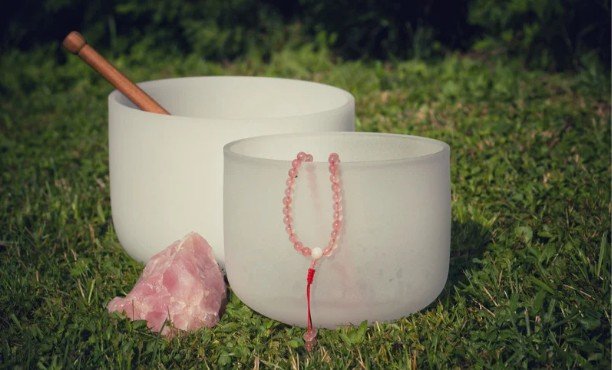
The first time I tried meditating with a singing bowl, I spent more time trying to make it sound perfect than listening to it. A gentle strike changed that. I let the tone fade, noticed the quiet afterward, and began again. The bowl gave my attention somewhere to rest without requiring me to stop thinking.
If you are learning how to use singing bowls for meditation, start with one bowl, a comfortable seat, and a few minutes. You can make a useful practice from a single strike and the silence that follows. Making the bowl “sing” continuously can come later.
What Does the Bowl Do During Meditation?
A singing bowl produces a sustained tone when you strike it with a mallet. You can also create a continuous sound by moving the mallet around its rim. During meditation, that sound serves as an attention anchor.
Listen as the tone begins, changes, and fades. When you realize your attention has moved to a thought or distraction, return to what you can hear. The quiet after the tone fades is part of the practice, too. You do not have to strike the bowl constantly or keep your mind empty.
You may find the sound pleasant or settling, but there is no need to expect a particular physical or emotional result. The bowl is a tool for practicing attention, not a treatment.
Set Up Your Bowl and Seat
Choose a place where you can hear the bowl clearly without needing to play it loudly. Put your phone aside and sit on a chair or cushion in a position you can maintain comfortably. Your posture can be upright without feeling stiff.
A small metal bowl may rest on a flat, open palm. Keep your fingers away from its sides so they do not stop it vibrating. You can also place the bowl on a stable cushion within easy reach. A larger or heavier bowl is usually easier to play from a secure surface. Handle a crystal bowl according to its maker’s instructions, as its size and playing method may differ.
Hold the mallet lightly. Before beginning, make one gentle test strike. If the volume feels sharp or uncomfortable, play more softly or move the bowl farther away. You should be able to listen without straining.
How to Use Singing Bowls for Meditation in 10 Minutes

For your first session, use the striking technique. It lets you focus on listening instead of managing a continuous tone.
Minutes 0–2: Arrive and listen
Sit down and notice where your body meets the chair or floor. Take a few natural breaths. Then gently strike the bowl near its upper side or rim and let it ring.
Follow the sound for as long as you can hear it. Notice whether its pitch, volume, or texture seems to change. When it disappears, remain still for a breath or two before striking again.
Minutes 2–7: Return when your mind wanders
Continue with an unhurried pattern: strike, listen, allow silence, and repeat. There is no required number of strikes. Give each tone enough space to fade before you play the next one.
At some point, you may start planning your day or judging how the practice is going. Once you notice that, bring your attention back to the current sound. If the bowl has already gone quiet, listen to the room until you are ready to strike it again. Returning is the practice; wandering does not mean you have failed.
Minutes 7–10: Finish gently
Let your final strike fade completely. Spend the remaining time noticing your breathing and the sounds around you. Before getting up, feel your feet or hands against a steady surface. You can end there without trying to hold on to a particular feeling.
Ten minutes is a starting point, not a rule. A shorter session can still help you establish a routine, especially when you are learning to play the bowl.
How to Make a Singing Bowl Sing

Once you feel comfortable striking the bowl, try moving the mallet around the outside of its rim. Hold the bowl steady, place the mallet against the rim, and move it slowly with gentle, even pressure. Give the sound time to build.
If the mallet chatters or the sound stops, ease the pressure and slow down. If you hear only a dull tap, check whether your hand is touching the bowl’s sides. You can begin with a strike, then move into a circular motion once you hear a clear tone.
A continuous sound can be engaging, but it is optional. Some days, striking the bowl once and listening into silence may suit your meditation better.
Common Beginner Mistakes
Playing too hard is easy to do when you want a stronger tone. Start softly and adjust until the sound is comfortable. A louder bowl does not make the meditation more effective.
Playing too often can also make it harder to notice the full sound. Allow the tone to fade before striking again. If you want to explore the silence, wait an extra breath.
Finally, do not let technique take over the session. Practicing the mallet’s movement is useful, but meditation begins when you pay attention to what you hear, notice that you have drifted, and return.
Frequently Asked Questions
1. Do I need to own a bowl to try this practice?
No. You can first practice listening attentively to a recording. If you later use a physical bowl, you will also be able to choose when to play and how long to leave between tones.
2. How long should I meditate with a singing bowl?
Begin with a length that feels manageable, such as five or ten minutes. A brief session you can repeat is more useful than forcing yourself through a long one.
3. Can I use a singing bowl with yoga?
Yes. A gentle tone can mark the beginning or end of a restorative practice. Keep the bowl stable and easy to reach, and choose a volume that feels comfortable.
4. How do I know whether I’m using it correctly?
If you are listening, noticing when your attention wanders, and returning to the sound, you are practicing how to use singing bowls for meditation. Producing a flawless continuous tone is not required.
A Quiet Way to Begin Again
I now think of the bowl as a simple reminder to listen. Some sessions include several clear tones; others include a clumsy strike and a lot of silence. Both give me a chance to notice where my attention went and begin again. Start softly, leave room between sounds, and let your practice develop at its own pace.