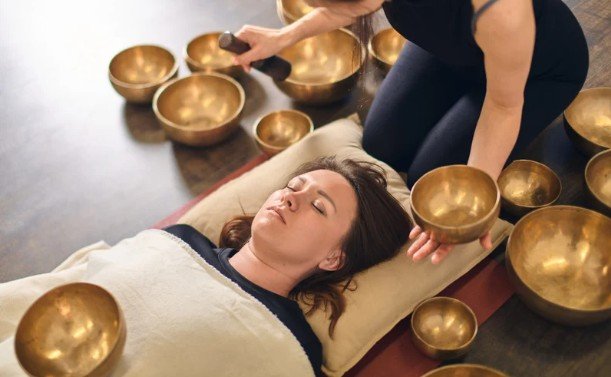
The first time I heard “sound bath,” I wondered whether I needed to bring a towel. I also wondered if I would have to meditate properly, stay perfectly still, or feel something profound. If you are looking up sound bath for beginners: what to expect, the reassuring answer is that you usually settle into a comfortable position and listen. Knowing how a session unfolds can make that first visit feel much less mysterious.
What Is a Sound Bath?
A sound bath is a guided listening experience. A facilitator plays instruments such as singing bowls, gongs, chimes, or drums while participants sit or lie down. The word “bath” describes being surrounded by sound; no water is involved. You can also create a calming sound ritual before bed by listening to one gentle instrument for a few minutes.
Unlike a concert, the sounds may have no steady beat or familiar melody. Notes can ring for a long time, overlap, fade into silence, and begin again. Some sessions include a short breathing exercise or spoken guidance. Others leave most of the time for quiet listening.
You do not need yoga experience, special equipment, or the ability to empty your mind. The experience can be a way to pause and notice sound, whether you find it deeply relaxing or simply interesting.
What Happens When You Arrive?

A studio or facilitator will usually direct you to a place where you can settle. Depending on the venue, you may find a mat and blanket waiting for you, or you may need to bring your own. Check the booking details beforehand so you know what is provided.
Give yourself enough time to arrive without rushing. You can choose a position that supports your body and ask the facilitator how the session will work. If loud sounds bother you, mention it before the session starts. Sitting farther from a gong or other instrument may make the experience more comfortable.
Once everyone is ready, the facilitator may introduce the instruments, invite a few slow breaths, or suggest an intention. You can take part without adopting any particular belief or setting a personal goal.
During the Sound
Most people close their eyes and listen, but you can keep yours open. Sounds may be soft at one moment and surprisingly strong at another. You might notice the tone itself, a gentle vibration, your breathing, or thoughts drifting in and out.
There is nothing you need to achieve. If your attention wanders to tomorrow’s plans, return to whichever sound you can hear now. If lying down becomes uncomfortable, quietly change position or sit up.
When the Session Ends
The sounds usually become quieter before the facilitator invites everyone to return their attention to the room. Take your time sitting up, particularly if you have been resting for a while. Some groups offer a moment to reflect or share afterward, but sharing is generally optional.
What Should You Wear and Bring?
Wear clothes you can relax in while seated or lying down. Soft layers are useful because a room may feel cool when you are still. Tight waistbands or accessories that press against the floor can become distracting over a longer session.
A mat, blanket, small pillow, or cushion can make a real difference. An eye mask is optional if you prefer less light. Check the venue’s instructions first; bringing several items is unnecessary if they are already supplied.
Think about what helps you stay comfortable for the length of the class. A cushion under your knees, for example, may feel better than lying flat. You can also ask whether chairs are available if sitting on the floor is difficult.
How Might a Sound Bath Feel?

Responses vary, even from one session to the next. You might feel calm, sleepy, restless, emotional, or alert. Some people notice warmth or tingling; others notice no unusual physical sensation at all. Falling asleep does not mean you failed, and remaining awake does not mean you did it wrong.
One point often missing from accounts of sound bath for beginners: what to expect is that the instruments are not soothing to everyone. A gong may feel louder than anticipated, and a particular pitch may be unpleasant. You can open your eyes, move farther away if there is space, or step out. Your comfort matters more than staying in the room for every note.
Sound baths may offer an enjoyable opportunity to rest, but experiences differ. Treat descriptions of emotional release or specific healing effects as possibilities people report, not outcomes you should expect or try to produce.
How Can You Choose a First Session?
Read the event description before booking. It may tell you which instruments will be used, how long the class lasts, whether movement is included, and what the venue supplies. If those details are missing, contact the organiser.
A shorter session may appeal to you if you are unsure how you will respond to sustained sound. If you have sound sensitivity or another concern about taking part, ask about volume, seating, and the option to leave quietly. A helpful facilitator should be able to explain the format without promising a particular result.
Frequently Asked Questions
1. Do I Have to Meditate During a Sound Bath?
No. You can listen without trying to meditate. If you find it helpful, gently notice your breathing or return your attention to an instrument whenever your mind wanders.
2. Is It Okay to Move or Fall Asleep?
Yes. Move quietly when you need to get comfortable. Some participants fall asleep, while others remain aware of the sounds throughout. Neither response is required.
3. Does a Sound Bath Include Yoga?
Not always. Some events pair sound with gentle movement, while others involve only sitting or lying down. Check the class description to know which kind you are booking.
4. Sound Bath for Beginners: What to Expect If I Feel Uncomfortable?
You can change position, open your eyes, or step outside. If you know you are sensitive to sound, speak with the facilitator before the session so you can choose a suitable place in the room.
A Gentle Way to Begin
I would go into a first sound bath with a comfortable place to rest and permission to respond honestly to what I hear. I might relax, get distracted, or decide one instrument is too loud. All of those reactions are useful information. The best first session is one where I can listen with curiosity, adjust when I need to, and leave without feeling I was supposed to have a particular experience.