I used to think the right meditation instrument would make it easier to quiet my mind. Then I noticed that the useful part was much simpler: a sound gave me something to listen to whenever my attention wandered. If you are weighing singing bowls vs tuning forks for meditation, the best choice depends on the sound you enjoy, the space you have, and how you want to practice.
A singing bowl creates a lingering tone that can fill a room. A tuning fork produces a quieter, more focused tone that fades sooner. Either can mark the start of a session or serve as an anchor for your attention. Neither requires you to believe that a particular frequency can heal you.
How Do Singing Bowls and Tuning Forks Differ?
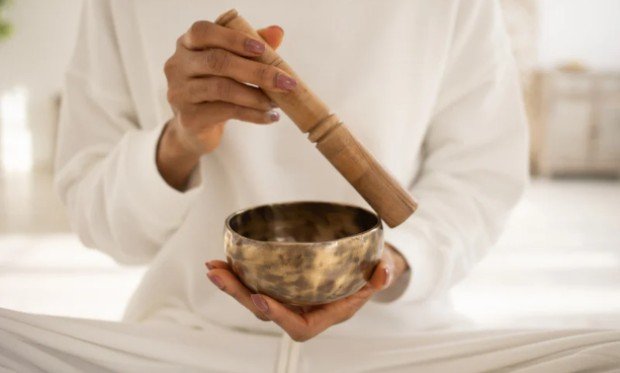
A singing bowl is played by striking its side or moving a mallet around its rim. Striking is straightforward: you hear the note grow softer, then return your attention to the next breath or sound. Playing around the rim can sustain the tone, though it takes practice to do smoothly.
Metal bowls often have a rich sound with several audible overtones. Crystal bowls can produce a clear, sustained tone and may take up more space. Their sounds vary, so listening before buying is more helpful than choosing by appearance alone.
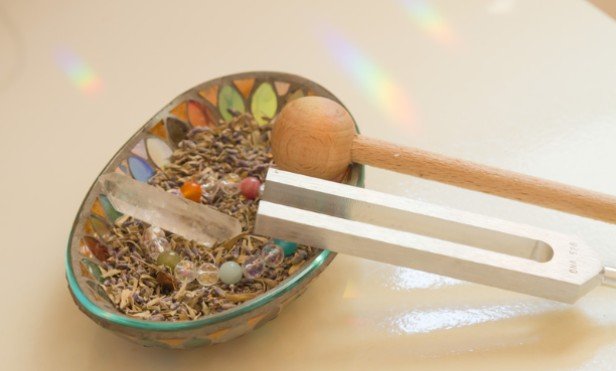
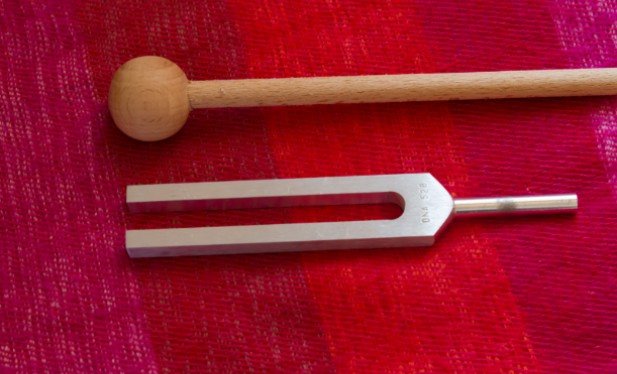
A tuning fork has two prongs that vibrate after a gentle tap against a suitable activator. It gives you a distinct pitch for a brief period. You can listen as it fades and notice the moment sound becomes silence. That makes it useful if you prefer short listening exercises or have little room to store an instrument.
Some forks are weighted and designed for gentle contact use; unweighted forks are commonly used for listening. If your goal is meditation, you can begin by listening to a comfortably played fork without applying it to your body.
Which Sound Is Better for Your Meditation Space?
Choose a bowl for a longer listening anchor
A bowl may suit you if you enjoy a sound that continues while you settle into breathing. It can also be convenient for a group: one person plays while everyone listens. You can strike it once at the beginning, wait for the note to disappear, and then sit quietly.
Consider your surroundings, though. A bowl that sounds gentle to you may carry through a shared home. Larger and crystal bowls also need stable storage and more care when moved. If you are sensitive to sound, try a soft strike before attempting a continuous tone.
Choose a fork for a compact, brief cue
A tuning fork may fit a desk, small apartment, or travel bag more easily. Its shorter sound gives you a clear task: listen closely, notice it fading, and return to your breath. You can repeat that cycle as you combine gentle stretching and meditation, without trying to create a continuous background sound.
A fork is less suited to filling a room for a group session. Its sound can also be subtle, so trying one in person helps you decide whether its pitch is pleasant and easy to hear. If you already know that high tones bother you, do not assume every small instrument will feel soothing.
How Can Beginners Try Each Instrument?
A five-minute singing bowl practice
Sit comfortably and place the bowl on a stable cushion or surface. Strike it gently once, then listen without trying to hold your attention perfectly. Notice the initial note, the changes as it fades, and the silence afterward. Take a few natural breaths before striking it again.
Repeat this several times. When a thought pulls you away, simply notice it and return to the sound. Finish with one minute of silence. You do not need to keep the bowl ringing throughout the session; the pauses are part of the practice.
A five-minute tuning fork practice
Activate the fork with a light tap on an appropriate rubber activator. Hold it at a comfortable distance from your ears, never inside or directly against an ear. Follow the note until you can no longer hear it. Take a breath or two in silence, then repeat.
Keep the sound gentle. If it feels sharp or uncomfortable, move the fork farther away or stop. The purpose is to give your attention a place to return, not to tolerate a pitch you dislike.
Do Certain Frequencies Make One More Effective?
Comparing singing bowls vs tuning forks for meditation can lead to claims that a specific number of hertz produces a guaranteed emotional or physical result. A fork’s stated frequency tells you its pitch. It does not, by itself, establish a health benefit. Bowls also make more complex sounds than a single advertised note suggests.
Research into singing-bowl sessions has explored possible effects on mood and relaxation, but it does not show that a bowl outperforms a fork for an individual meditation practice. Choose a sound you find comfortable and a routine you are likely to repeat. If you are seeking help for persistent anxiety, pain, or another health concern, sound meditation should not replace appropriate care.
What Should You Consider Before Buying?
Think about where you will practice, whether others will hear you, and how much sound you want. A single bowl or fork is enough to try the practice; a large set is unnecessary for a beginner. If possible, listen to the actual instrument before purchasing, since videos may not reproduce its sound faithfully.
Check that a bowl sits securely and comes with a suitable mallet. For a fork, check its intended use and whether it includes an activator. Start at a low volume with either tool, especially in a shared space or group. A comfortable sound matters more than an impressive one.
Frequently Asked Questions
1. Are singing bowls or tuning forks easier for beginners?
Both are simple to begin using. A bowl is easy to strike once and listen to, although sustaining a tone around its rim takes practice. A fork is easy to activate, but you may need to experiment with distance to hear it comfortably.
2. Can I use both in the same session?
Yes. You could use a fork as a brief opening cue, sit quietly, then use one gentle bowl strike before ending. Give each sound time to fade so the session stays easy to follow.
3. Do I need a special frequency to meditate?
No. You can use any comfortable tone as a listening anchor. Consistent practice and a sound you enjoy are more useful starting points than a frequency claim.
A Sound That Helps You Return
When I compare singing bowls vs tuning forks for meditation, I ask which sound I would welcome hearing again tomorrow. I would choose a bowl for a lingering tone and a fork for a brief, focused pause. The instrument does not have to make my mind blank. It only has to help me notice when I have wandered and begin listening again.