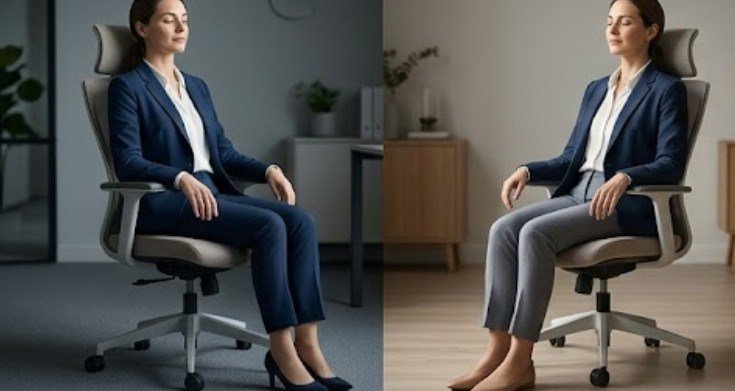

After spending most of my workday moving between email, Slack, Zoom meetings, spreadsheets, and my phone, I sometimes finish the day feeling mentally exhausted but still unable to switch off. It is easy to close a work laptop and immediately open a personal screen, convincing myself that scrolling or streaming counts as rest.
I have found that learning how to unwind after work without screens works better when I stop treating relaxation as one fixed routine. Some evenings I have no energy at all. Other days, I need movement or something creative. The key is creating a clear transition out of work mode and choosing an offline activity that matches how I actually feel.
Why Do I Automatically Reach for My Phone After Work?
Reaching for a phone after work often happens automatically. After concentrating all day, making decisions, responding to messages, and staring at screens, scrolling feels easier than deciding what else to do.
The problem is that moving directly from a work screen to a personal screen does not create much separation between work and rest. Notifications, short videos, news, and social feeds continue giving my attention new information to process.
Instead, I try to create a brief work-to-home transition. Before logging off, I write down unfinished tasks and identify the first thing I need to handle tomorrow. Then I shut down my computer, put work materials away, and physically change my environment.
For Americans working remotely, this can be especially useful because there is no commute separating the office from home life. A ten-minute walk around the neighborhood can act like a mini commute and signal that the professional part of the day is finished.
What Should I Do After Work When I Am Completely Exhausted?
When I have almost no energy left, I avoid turning relaxation into another project.
Try a 20- to 30-Minute Do-Nothing Window
Sometimes the most restorative activity is no activity at all. I can put my phone in another room, sit near a window, lie on the couch, or spend a few minutes outside watching the evening sky.
There is no productivity goal. I am simply reducing the amount of information coming at me.
This can be especially useful after a demanding day filled with video calls, deadlines, or customer interactions.
Choose Audio Instead of Another Screen
A screen-free evening does not have to mean giving up entertainment.
I can listen to an audiobook, podcast, audio drama, relaxing playlist, or full music album while resting. Audio-only entertainment gives my eyes a break while still providing something enjoyable to focus on.
Take a Warm Shower, Bath, or Foot Soak
Warm water provides an easy sensory transition between work and personal time. A shower, bath, or simple warm foot soak can help me slow down without requiring concentration.
I often pair it with quiet music rather than bringing my phone into the bathroom.
What Can I Do If I Have a Little Energy Left?
When I feel tired but not completely drained, gentle activities tend to work better than ambitious hobbies.
Take a Reset Walk Around the Neighborhood
A 15- to 30-minute walk is one of the simplest ways to decompress after work. I can walk around my block, visit a neighborhood park, or take a familiar trail without treating the walk as exercise.
When possible, I leave my phone at home. If I need it for safety, I keep it stored instead of checking messages.
Walking provides a physical boundary between working hours and evening time, which can be especially helpful for remote employees.
Create an After-Work Tea Ritual
A simple drink can become a transition cue.
Instead of immediately reaching for another coffee or opening an app, I can prepare herbal tea and focus on the process: boiling the water, holding the warm mug, noticing the aroma, and slowing down.
This type of sensory routine can make an ordinary evening feel more deliberate.
Read, Do a Crossword, or Complete a Puzzle
A physical book, magazine, crossword, Sudoku puzzle, or jigsaw puzzle gives my mind something structured to do without introducing notifications.
These screen-free activities after work are particularly useful when I want stimulation but do not want the endless choice that comes with digital entertainment.
What Can I Do When I Still Have Moderate Energy?

Some evenings I want to relax but still feel capable of doing something with my hands.
Try a Repetitive, Tactile Hobby
Knitting, coloring, cross-stitching, sketching, woodworking, puzzles, or other hands-on hobbies can create a calm sense of focus.
I do not need to become good at the activity. The goal is not achievement. Repetitive tasks can simply give my attention somewhere comfortable to settle.
Brain-Dump the Workday Into a Notebook
If work thoughts keep following me into the evening, I write them down.
I might record unfinished tasks, frustrations, ideas, or things I want to remember tomorrow. I can also add a few things that went well during the day.
Once those thoughts are on paper, I do not have to keep mentally rehearsing them.
Spend Time With Plants or Pets
Watering houseplants, checking a garden, brushing a dog, playing with a cat, or simply sitting with a pet can provide an easy shift away from work.
These activities require attention without demanding the same type of mental effort as email, meetings, or project management.
How Can I Stop Automatically Checking My Phone?
I have found that changing my environment works better than depending on willpower.
If my phone is beside me, I will probably check it. If it is charging across the room, sitting in an entryway, or placed in another room, checking it requires a deliberate decision.
Some people also use timed phone lock boxes during short screen-free periods. These small barriers can make it easier to explore ways to rest without scrolling your phone instead of automatically reaching for a screen whenever there is a quiet moment.
Preparing alternatives in advance helps too. I can leave a book on the coffee table, keep a puzzle partly completed, place my journal beside a chair, or leave hobby supplies somewhere visible. The easier the offline activity is to start, the less appealing automatic scrolling becomes.
Social accountability can make the routine easier as well. I might cook dinner with my partner, play cards with my family, or establish a no-phones-at-the-table rule.
How Do I Keep Screen-Free Time From Becoming Another Chore?

I do not want relaxation to become another performance metric.
There is no requirement to spend every evening exercising, journaling, learning, cooking elaborate meals, or completing meaningful hobbies. Some nights, sitting quietly with a cup of tea is enough.
A successful screen-free evening routine should reduce pressure rather than create more of it.
I recommend starting with 15 or 20 minutes instead of attempting a complete digital detox. Once that period feels natural, I can extend it when I want to.
Frequently Asked Questions (FAQs)
1. What can I do after work instead of scrolling?
I can walk, read a physical book, listen to music, take a bath, journal, complete a puzzle, cook, garden, work on a craft, spend time with a pet, or simply sit quietly for a few minutes.
2. How long should I avoid screens after work?
There is no universal rule. Starting with 15 to 30 minutes is realistic for many people. I can gradually make the period longer if it improves my evening and fits naturally into my lifestyle.
3. How can I mentally switch off after working from home?
I find it helpful to close my computer completely, write down tomorrow’s priorities, change clothes, leave my workspace, and take a short walk. These actions create a substitute for the commute that many remote workers no longer have.
4. What are the easiest screen-free activities when I am exhausted?
Listening to an audiobook or music, taking a warm shower, sitting outside, drinking tea, lying down quietly, or doing a simple puzzle requires very little effort.
5. What is the easiest way to learn how to unwind after work without screens?
Start by changing only the first 20 minutes after work. Put the phone somewhere inconvenient, leave your work area, and choose one simple activity such as walking, showering, listening to music, or reading.
A Better Way to End the Workday
For me, the biggest improvement came from changing what happens immediately after I stop working. Instead of moving automatically from my work laptop to my phone, I create a small gap.
I close work deliberately, move my body or change rooms, and then choose an activity based on my energy level.
That is ultimately what makes unwinding after work without screens practical. I do not need one perfect routine. I need several easy options that work whether I am completely exhausted, mildly tired, restless, or still feeling creative.
Even a short period away from screens can make my evening feel different from the workday that came before it.