Some evenings, I can be physically exhausted and still feel mentally switched on. My work may be finished, dinner may be over, and I may even be sitting comfortably, yet my mind keeps moving between notifications, unfinished tasks, social media, news, and tomorrow’s responsibilities. That is usually a sign that my body has stopped working, but my brain has not stopped processing stimulation.
Learning how to have a low-stimulation evening is less about creating a perfectly silent night and more about gradually reducing visual, auditory, digital, and mental input. A calmer evening wind-down routine can make the transition from a busy day to bedtime feel much easier.
What Is a Low-Stimulation Evening?
A low-stimulation evening is a period when I deliberately reduce the amount of information and sensory input competing for my attention.
Instead of combining television, phone scrolling, work messages, bright lighting, and several household tasks, I simplify what is happening around me. I choose softer lighting, fewer notifications, quieter activities, and less decision-making. Creating space to rest without scrolling on my phone can make the evening feel calmer and reduce the constant urge to respond to new information.
Low stimulation does not mean zero stimulation. Reading, listening to music, stretching, doing a puzzle, or watching something familiar can still fit into a calm evening routine. The main goal is to stop constantly asking the brain to respond to something new.
How Can I Reduce Sensory Stimulation at Night?
The environment is one of the easiest places to begin.
Dim Bright Lights Before Bed
Bright overhead lighting can make a room feel active and alert. As evening progresses, I prefer switching to lower lamps or warmer lighting.
Reducing bright light during the hour or two before bed can also support the body’s natural circadian cues. Light exposure in the evening can influence melatonin timing, which is one reason sleep guidance often recommends keeping nighttime environments darker and calmer.
I do not need to transform my home completely. Simply turning off unnecessary overhead lights can change the atmosphere.
Create a Digital Curfew
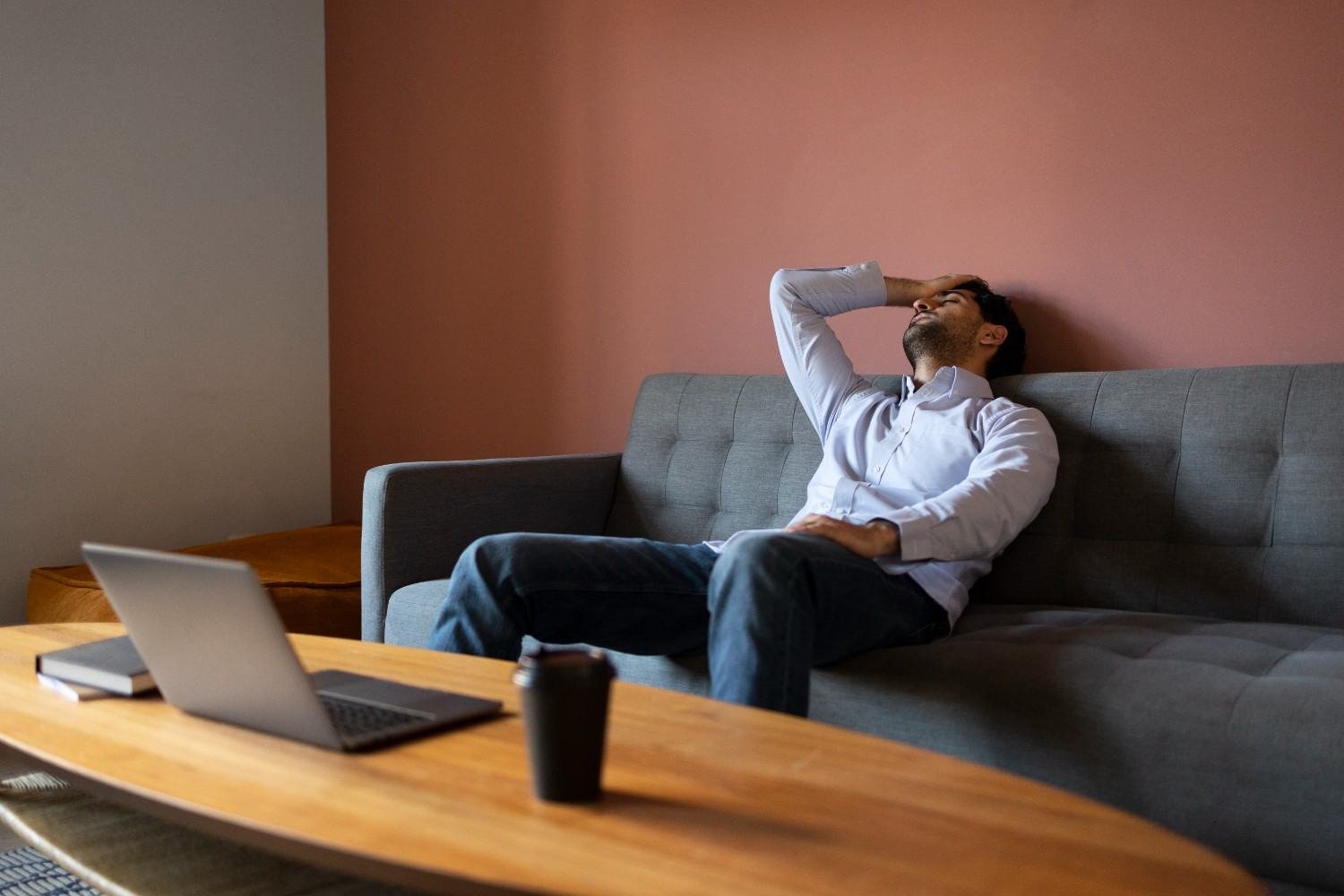
Phones are stimulating for more reasons than blue light alone.
Social media, breaking news, work emails, short videos, and constant messages all encourage the brain to keep processing new information.
When possible, I give myself a clear point when unnecessary scrolling stops. If I still need a device, I can enable night mode, reduce brightness, and use it for one specific purpose rather than moving between apps.
A screen-free evening is useful for some people, but it does not need to become a strict rule for everyone.
Lower the Noise Around You
Sound can also affect how stimulated an evening feels.
Instead of high-tempo music, loud television, or several devices playing simultaneously, I prefer quieter audio. Soft instrumental music, ambient sounds, an audiobook, or white noise may create a steadier background.
The biggest change often comes from removing competing sounds rather than eliminating sound completely.
Which Low Stimulation Activities Work Best?
Good low stimulation activities usually require little pressure, limited decision-making, and no constant stream of new rewards.
Read Something Calm and Familiar
Analog reading is one of the easiest activities instead of scrolling.
I prefer a physical book or magazine under a soft lamp. If I am trying to relax, I avoid material that feels like work or keeps me intensely suspenseful.
The purpose is not to reach a reading goal. It is simply to give my attention one quiet place to land.
Try a Repetitive Hands-On Hobby
Simple tactile activities can also work well.
Knitting, sketching, coloring, working on a jigsaw puzzle, or doing another familiar craft keeps my hands occupied without requiring constant digital input.
The activity works best when I already know how to do it. Learning a complicated new skill at bedtime can create more cognitive demand rather than less.
Use Audio Without Adding Another Screen
Sometimes I do not want complete silence.
A calm audiobook, gentle podcast, or slow instrumental playlist can provide enough engagement without encouraging constant visual checking.
I try not to combine it with scrolling. One source of entertainment is usually more relaxing than several competing at once.
How Can I Clear Mental Clutter Before Bed?
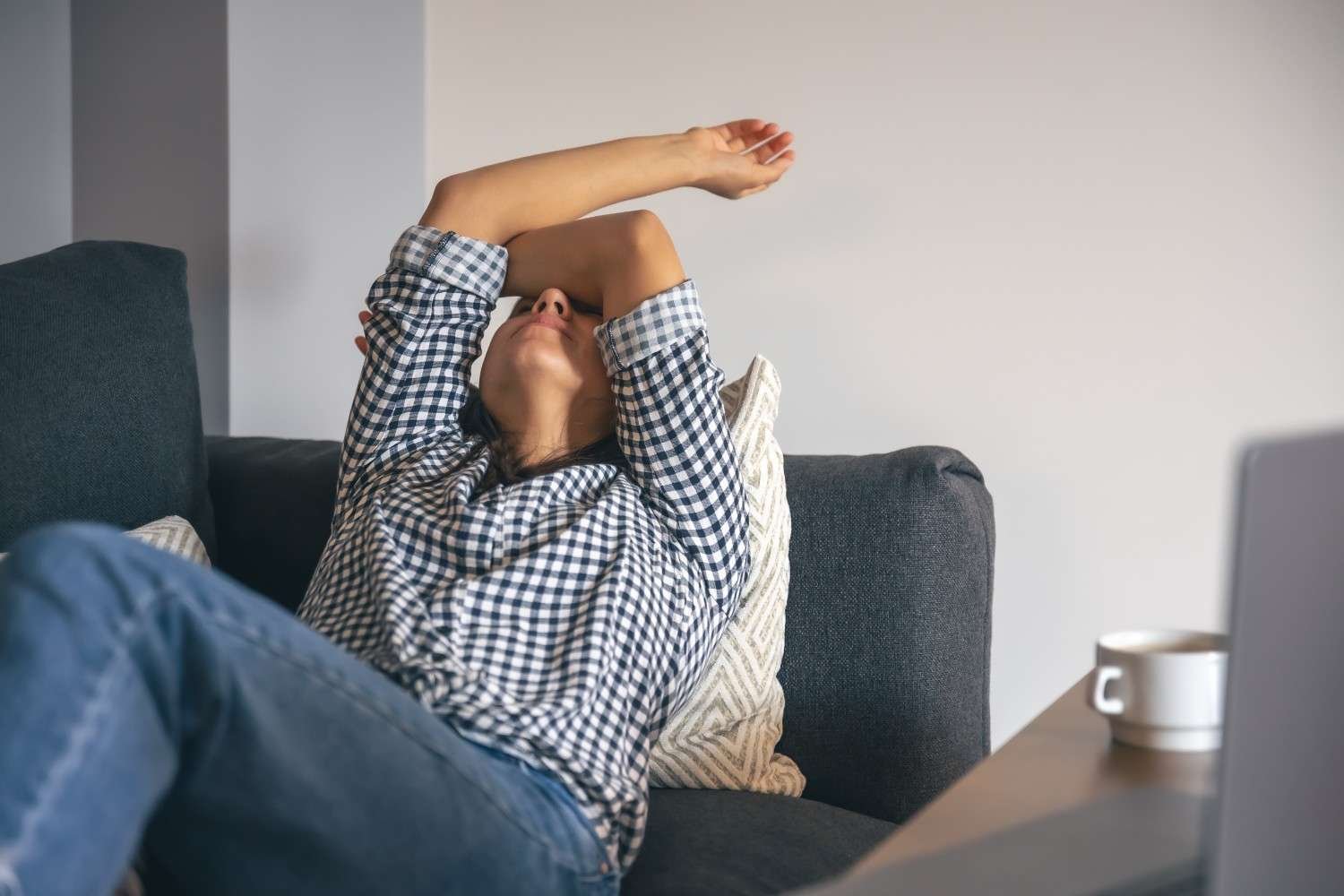
Sensory stimulation is only part of the problem. Mental load can continue long after the room becomes quiet.
Do a Five-Minute Brain Dump
When I keep mentally repeating tomorrow’s tasks, I write them down.
A short brain dump can include appointments, priorities, reminders, worries, or anything else I do not want to keep rehearsing.
Once those thoughts are on paper, I no longer need to depend on my memory to hold them all night.
Create a Firm Work Boundary
“One last email” can easily become another 30 minutes of work.
When possible, I stop checking work messages well before bedtime. That boundary helps separate problem-solving time from personal downtime.
This is particularly useful for Americans working remotely or in hybrid roles, where the physical separation between work and home may be minimal.
How Can I Calm My Body as Well as My Mind?
A relaxing evening works better when I reduce physical tension too.
Choose Gentle Movement
A slow walk, easy stretching, or progressive muscle relaxation can feel more appropriate late at night than an intense workout.
Progressive muscle relaxation involves gently tightening and then releasing different muscle groups. The technique can make it easier to notice where I am carrying tension.
Take a Warm Shower or Bath
A warm shower or bath can become a useful transition ritual.
Body temperature naturally changes around sleep, and research on warm bathing suggests that appropriately timed passive body heating may support sleep by helping the body’s subsequent cooling process.
Even without focusing on the physiology, a shower gives me a simple dividing line between the active part of my day and the quieter part.
Slow Your Breathing
Breathing exercises can also help me shift attention away from constant thinking.
One commonly used method is 4-7-8 breathing: inhale for four seconds, hold for seven, and exhale for eight.
I do not treat the numbers as a requirement. If holding my breath feels uncomfortable, slow diaphragmatic breathing with a longer, relaxed exhale is another option.
What Does a 60-Minute Low-Stimulation Evening Routine Look Like?
I like to think of the final hour before bed as a gradual descent rather than an abrupt stop.
During the first 15 minutes, I close out anything essential for tomorrow and write down unfinished tasks.
For the next 15 minutes, I dim the lights, silence unnecessary notifications, put work devices away, and take a shower or complete my nighttime sleep hygiene.
I spend the following 20 minutes on one low-stimulation activity, such as reading, stretching, coloring, or listening to calm audio.
During the final 10 minutes, I simplify further. I might prepare the bedroom, breathe slowly, or read a few more pages.
This creates a predictable nighttime routine without turning relaxation into another complicated project.
What Should I Avoid During a Calm Evening Routine?

The biggest problem is not necessarily one particular activity. It is excessive input.
Watching television while scrolling, replying to messages, and checking news at the same time forces attention to switch repeatedly.
I also try to avoid intense work, emotionally charged online discussions, competitive gaming, breaking news, and complicated planning close to bedtime.
Another mistake is creating an elaborate wellness checklist.
If my relaxing evening requires 12 habits that I feel guilty about missing, I have simply replaced one type of pressure with another.
Frequently Asked Questions (FAQs)
1. How long should a low-stimulation evening last?
There is no fixed duration. Thirty to 60 minutes can be enough for many people, while others may prefer starting one or two hours before bedtime.
2. Can I watch TV during a low-stimulation evening?
Yes. Choosing something familiar or slower-paced and watching without simultaneously scrolling can make television less stimulating than using multiple screens at once.
3. What are easy activities instead of scrolling?
Reading, gentle stretching, journaling, coloring, knitting, puzzles, calm music, audiobooks, light organizing, or taking a warm shower are simple alternatives.
4. Does low stimulation mean avoiding all technology?
No. The goal is to reduce unnecessary stimulation rather than follow an absolute technology ban. Intentional device use can still fit into a calm nighttime routine.
5. How to have a low stimulation evening when I am already exhausted?
The simplest version is often the best. Lower the lights, stop unnecessary phone checking, complete basic hygiene, choose one quiet activity, and bed head when you feel ready.
A Quieter Way to Finish the Day
When I think about how to have a low-stimulation evening, I focus less on following perfect rules and more on reducing unnecessary input.
Dimmer lighting, fewer notifications, softer sound, a brain dump, one relaxing activity, gentle movement, and a clear work boundary can completely change the pace of the final part of the day.
The routine does not need to look impressive. It simply needs to create enough space between a demanding day and bedtime for my mind and body to gradually slow down.