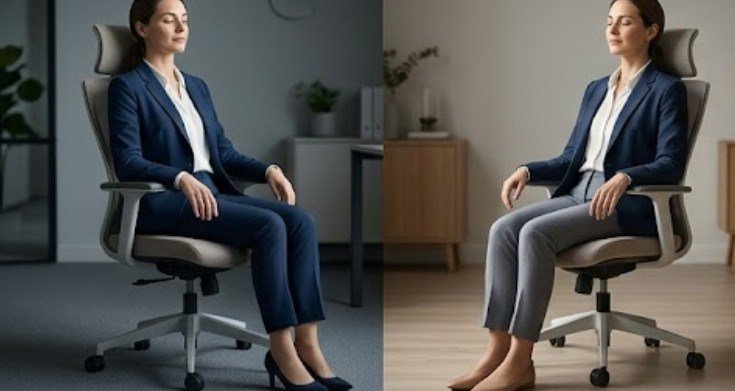

The moment work ends should feel like relief, but that is not always what happens. After hours of meetings, notifications, background noise, bright screens, constant decisions, and switching between tasks, I can leave work feeling more mentally crowded than relaxed. Even small things at home, such as a ringing phone, a conversation, or deciding what to make for dinner, can suddenly feel unusually demanding.
That is when I stop trying to “push through” the feeling and start reducing what my brain has to process. When I think about how to reduce overstimulation after work, I focus first on lowering sensory and digital input. A quieter room, softer lighting, fewer notifications, and a short period without screens can create the kind of transition my mind needs before I move into the rest of the evening.
What Should I Do First When I Feel Overstimulated After Work?
I create a short transition buffer before I start dinner, answer family questions, or open another screen. Ten to 15 minutes in a quiet bedroom, parked car, porch, or nearby park can give my brain fewer things to track.
I also lower visual and auditory input. I turn off bright overhead lights, use a softer lamp, silence the television, and put my phone on Do Not Disturb. If outside noise is unavoidable, noise-canceling headphones can create a calmer sensory environment.
Can Breathing and Grounding Calm an Overstimulated Brain?

Once the environment is quieter, I give my body something simple to focus on. Box breathing is one option: I inhale for four counts, hold for four, exhale for four, and pause before repeating. If holding my breath feels uncomfortable, I use slow breathing with a longer, relaxed exhale.
I also use the 5-4-3-2-1 grounding method when my thoughts feel scattered. I name five things I see, four I feel, three I hear, two I smell, and one I taste. That brings my attention back to the present rather than allowing my mind to keep jumping between unfinished tasks and new sources of stimulation.
Why Should I Avoid Doomscrolling Right After Work?
Picking up my phone can feel like a break, but rapid feeds keep supplying new images, headlines, comments, videos, and emotional information. More scrolling can keep the digital overload going.
I protect the first 20 to 30 minutes after work from unnecessary scrolling. I silence work alerts, avoid reopening email, and leave social feeds for later. For remote workers, I close the laptop and move to another room when possible.
What Physical Habits Help Me Decompress Faster?
When I notice tight shoulders, restless hands, or a clenched jaw, I stretch, shake out my hands, or take a slow walk.
Making that walk more intentional can also help, and learning how to make a daily walk more mindful can turn a simple decompression habit into a calmer transition after work.
I also check basic needs. If I skipped lunch, forgot to drink water, or have been running on coffee since midafternoon, I address that first. Hunger, dehydration, and fatigue can make an already demanding evening feel even harder.
A low-stimulation hobby can help too. I might take a warm shower, make tea, listen to a familiar audiobook, read something light, or sit outside. I choose something predictable rather than an activity that creates more decisions.
How Can I Stop Work Thoughts From Following Me Home?

Before I log off, I write down tomorrow’s priority, an email I need to send, or the next step in a project. Once it is on paper or in a planner, I do not need to keep rehearsing it mentally.
I also avoid “just checking” work messages later because one notification can pull me back into problem-solving mode. For remote and hybrid employees across the U.S., this boundary can be especially important because the office may only be a laptop away.
What Should I Say When I Need Quiet at Home?
Clear communication works better than becoming increasingly irritated while trying to act normal. I can simply say, “I’m feeling overstimulated and need about 15 minutes of quiet before I talk or make decisions.”
This can help in busy households where children, partners, roommates, television, and chores compete for attention after work. Asking for a short period of quiet can prevent frustration from building unnecessarily.
How Can I Prevent the Same Overload Tomorrow?
Learning how to reduce overstimulation after work is easier when I lower the load before the day ends. I take short screen breaks, batch nonurgent notifications, avoid unnecessary multitasking, and leave small gaps between meetings when possible. In a noisy workplace, headphones or a quieter work area may help.
Sleep, regular meals, hydration, and realistic scheduling also matter because recovery is harder when I start the evening depleted.
Building small recovery habits into the day can also show you how to recharge without taking a vacation, so you do not have to wait for a long break before giving yourself time to recover.
What Is a Simple 20-Minute After-Work Reset?

For the first five minutes, I end work completely by closing apps and silencing professional notifications. For the next five, I change clothes, wash my face, stretch, or step outside.
I spend the final ten minutes walking, showering, drinking water, sitting quietly, or listening to something familiar. The purpose is simple: replace constant sensory and cognitive input with a deliberate transition.
If you want to build this into a more complete evening routine, learning how to rest your mind after work can help you create a smoother transition from work mode into genuine recovery.
Frequently Asked Questions
1. Why do I feel overstimulated after a normal workday?
An ordinary workday can combine screens, conversations, deadlines, noise, traffic, notifications, decisions, and task switching. The cumulative load may matter more than any single stressful event.
2. How long should I decompress after work?
There is no universal number. I usually start with 15 to 30 minutes of reduced stimulation and adjust based on how demanding the day felt.
3. When should frequent overstimulation get professional attention?
If sensory overload is persistent, severe, or regularly interferes with sleep, work, relationships, or daily functioning, it is worth discussing with a qualified healthcare or mental health professional.
A Calmer Way to End the Workday
For me, how to reduce overstimulation after work is less about doing more self-care and more about removing unnecessary input. I get the best results when I lower noise and light, silence notifications, stop scrolling, breathe slowly, ground myself, move gently, hydrate, eat if needed, and give myself a short buffer before the next demand.
A calmer evening often starts when I stop asking my brain to process one more thing.