
After a long workday, I sometimes catch myself reaching for my phone before I have even decided what I want to see. One notification becomes a few videos, then a social feed, and suddenly the break I wanted has turned into another period of constant input.
That is why I have started looking for ways to rest without scrolling your phone that actually reduce stimulation instead of replacing work-related stimulation with digital entertainment. For many Americans balancing long workdays, commutes, family responsibilities, and constant notifications, real downtime can be surprisingly difficult to protect.
Rest does not need to become another productivity project. Sometimes the most effective reset is simply giving your eyes, attention, and body fewer things to process.
Why Does Scrolling Feel Relaxing Even When I Still Feel Tired?
Scrolling feels easy because it requires almost no physical effort. You can lie on the couch while social media, news, videos, and messages continuously entertain you.
But physical inactivity is not always the same as mental rest.
Every new post gives your attention something else to process. Notifications interrupt your focus, videos introduce new sounds and images, and feeds continually offer something different. Instead of slowing down, your attention may simply shift from work to entertainment.
This is why I think it helps to separate distraction from restoration. Distraction can temporarily take your mind away from stress. Rest reduces the demands placed on your attention.
If I finish a scrolling session feeling mentally crowded rather than refreshed, that is usually a sign that I needed a lower-stimulation break.
What Kind of Rest Do You Actually Need?
Before replacing your phone with another activity, ask yourself what feels tired.
Mental fatigue may call for quiet, closed eyes, or a few minutes without information. Physical fatigue might mean lying down, gently stretching, or taking a short nap. Social exhaustion may make solitude more restorative than another conversation.
You may also be experiencing sensory overload. After spending hours around office lights, computer screens, traffic, conversations, music, or notifications, reducing sound and visual input can feel more restorative than adding another activity.
The answer does not always have to be productive.
What Can I Do Instead of Scrolling When I Am Exhausted?
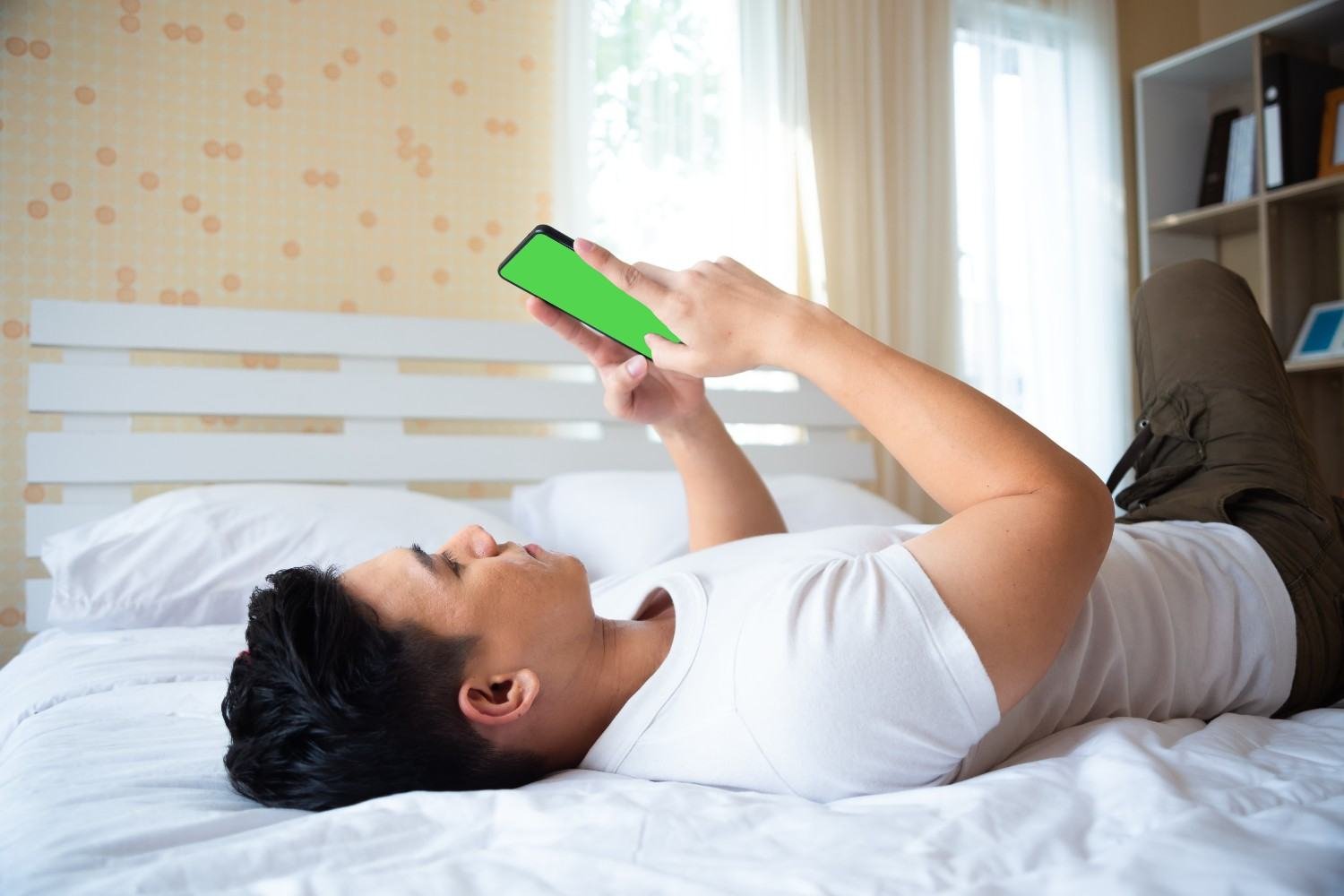
Let Yourself Zone Out
Staring at the ceiling may sound pointless, but that is part of its appeal.
I sometimes let my eyes rest and allow my thoughts to wander without trying to meditate correctly or accomplish anything. You can lie on a couch, look through a window, or simply sit quietly.
You do not have to fill every empty moment.
Flip Through a Physical Magazine
A novel can require more concentration than you have after an exhausting day. A print magazine, newspaper, photography book, or comic gives you something to browse without endless recommendations or notifications.
Keeping one beside your couch or bed also gives your hands an easy alternative when you automatically want to reach for your phone.
Stretch for Five Minutes
Gentle movement can help after hours at a desk or in a car.
Try shoulder rolls, easy neck movements, relaxed forward folds, ragdoll arms, or a comfortable squat. There is no need to turn the session into a workout.
The goal is simply to release some of the physical tension accumulated during the day.
Listen Without Looking at a Screen
Music, an audiobook, a quiet podcast, or ambient sounds can provide gentle entertainment while giving your eyes a break.
Choose what you want to hear, then place the device face down or somewhere out of reach. This prevents listening from turning into another hour of browsing.
Slowly Drink Something Warm
Making tea, coffee, or another warm drink can become a small evening ritual.
Instead of carrying the mug back to your computer, sit somewhere comfortable and notice its warmth, weight, smell, and taste.
Doing one simple thing at a time can feel surprisingly different when your day has involved constant multitasking.
Take a Shower Without Entertainment
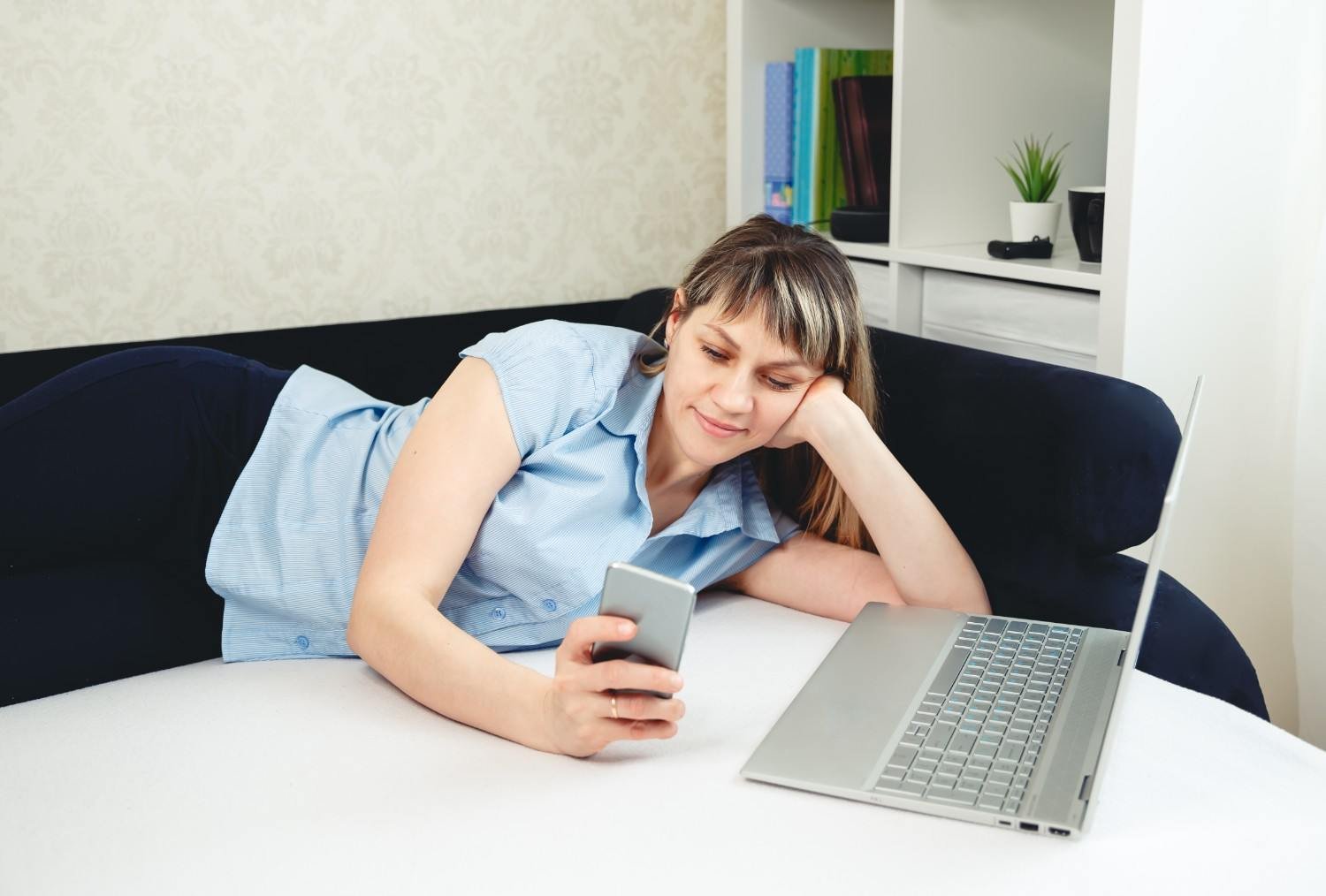
I like showers as a natural dividing line between a busy day and a quieter evening.
Skip the video, podcast, or music occasionally. Let the water, warmth, and silence provide the stimulation instead.
Walk Without Tracking Everything
Take an easy walk around your neighborhood, apartment complex, or a nearby park.
You do not need to monitor steps, pace, calories, or distance. If you need your phone for safety, keep it in your pocket rather than your hand.
Take a Short Nap or Close Your Eyes
If you are truly sleepy, another hour of entertainment may not solve the problem.
A short nap may be more useful. If daytime naps interfere with your sleep, lying down and closing your eyes for ten minutes can still provide a quieter break.
How Can I Make Phone-Free Rest Easier?
Willpower alone makes this unnecessarily difficult. Changing the environment works better.
Create a physical docking place for your phone when you come home. It could be a bowl near the entrance, a drawer in the kitchen, or a charger across the room. Putting the phone somewhere that requires effort to retrieve creates a small barrier between the impulse and the behavior.
You can also experiment with grayscale mode. Removing bright colors can make apps and notifications visually less compelling.
Another surprisingly practical option is wearing a traditional watch. Many people unlock their phones simply to check the time and then automatically open another app. A watch removes that trigger.
Keep offline alternatives visible as well. Leave a magazine on the coffee table, a notebook beside your chair, or a book on your nightstand. Make the restful option as easy to reach as the digital one.
How Can I Create a Low-Stimulation Evening Routine?
Your routine does not need ten steps.
After dinner, you might place your phone on its charger, take a shower, make tea, stretch for five minutes, and read a magazine. On another night, you might listen to an audiobook with your eyes closed or sit outside for fifteen minutes.
The key is lowering stimulation gradually.
You are not trying to prove that technology is bad or avoid screens completely. You are simply creating part of your evening where your attention does not need to respond to constant novelty.
Can Doing Nothing Really Count as Rest?
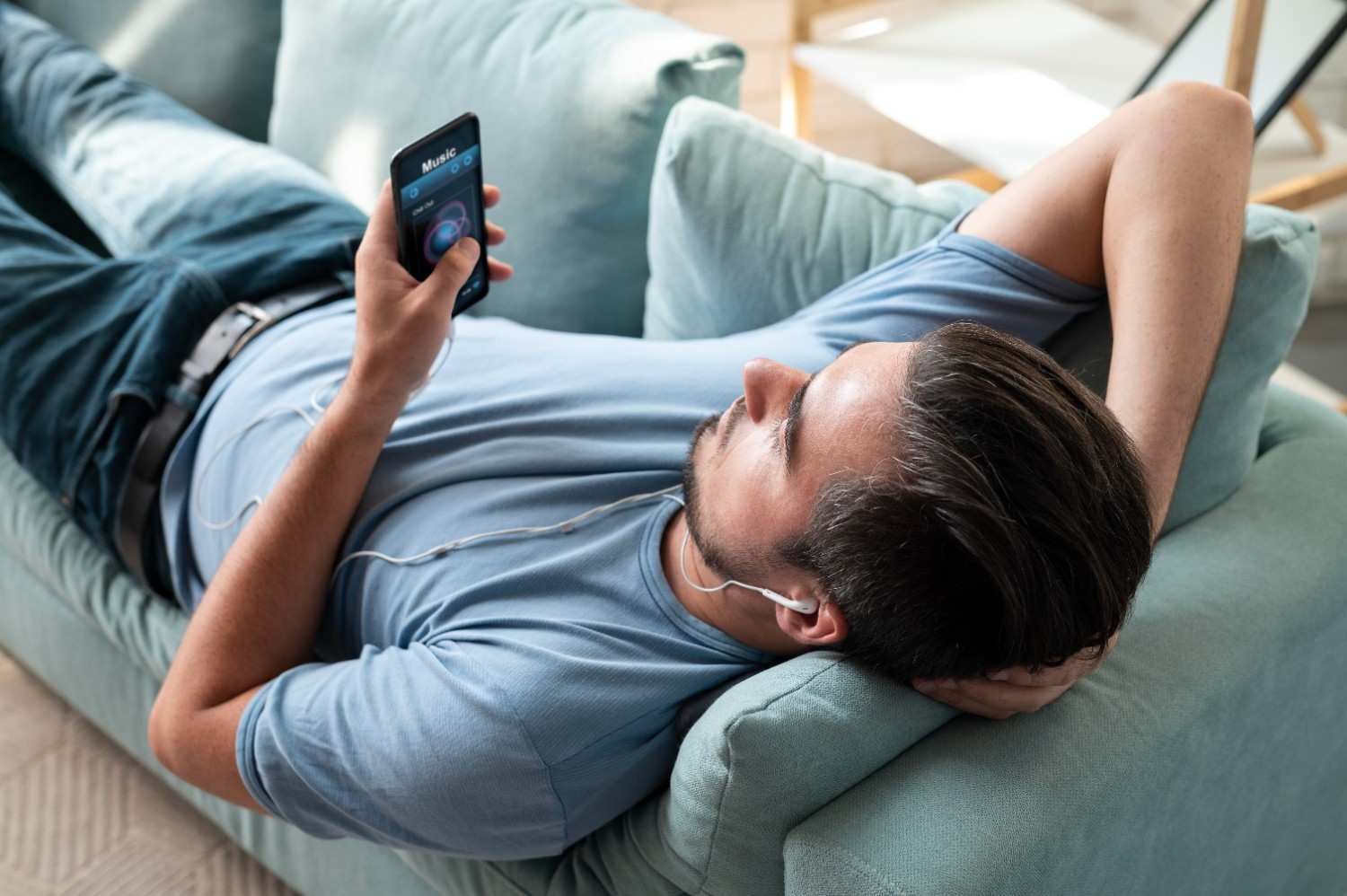
Yes. Rest does not always need a replacement activity.
You can sit in a comfortable chair, stare through a window, lie on your bed, watch the ceiling fan, or allow yourself to become bored.
Modern phones make it possible to eliminate almost every empty minute. Waiting in line, sitting on the couch, riding an elevator, and even getting into bed can immediately become opportunities to consume more information.
Allowing some of those moments to remain empty can create the mental breathing room that scrolling often removes.
Frequently Asked Questions (FAQs)
1. What Are the Easiest Ways to Rest Without Scrolling Your Phone?
Start with activities requiring almost no effort, such as closing your eyes, sitting outside, stretching gently, taking a shower, listening to music, drinking tea, flipping through a magazine, or simply doing nothing.
2. What Can I Do Instead of Doomscrolling Before Bed?
Try reading printed material, listening to calming audio with your screen turned down, stretching, journaling, showering, or preparing for sleep without keeping your phone beside you.
3. How Can I Stop Reaching for My Phone Automatically?
Increase the effort required to access it. Put it in another room, use a docking station, charge it away from your bed, try grayscale mode, and keep offline activities within easy reach.
4. Is Listening to a Podcast Still Considered Screen-Free Rest?
It can be a lower-screen activity when you choose the audio first and then put the device away. The important difference is listening intentionally instead of continuing to browse while the audio plays.
A More Restful Way to End the Day
I no longer think good rest has to be elaborate. When I am exhausted, the last thing I need is another complicated routine to complete.
Sometimes my best option is a shower. Other times it is a warm drink, a slow walk, an audiobook, a few stretches, doing sun salutations, or ten minutes staring at absolutely nothing.
The goal is not to eliminate technology from everyday life. It is to notice when I am using stimulation as a substitute for recovery. Once I create even a little space between myself and the endless feed, slowing down becomes much easier.
For me, the most useful ways to rest without scrolling your phone are usually the simplest ones because they ask less of my attention instead of giving it one more thing to process.