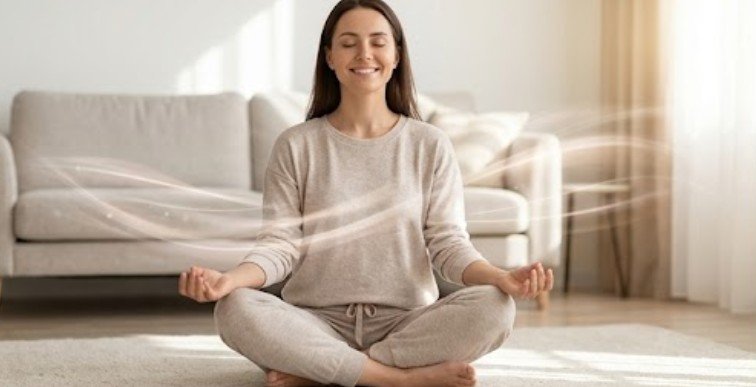
Meditation is no longer a fringe wellness habit in the United States. The National Center for Complementary and Integrative Health reports that 17.3% of U.S. adults practiced meditation in 2022, up from 7.5% in 2002.
The useful question is not whether you can meditate perfectly. It is whether deep relaxation meditation everyday can become a repeatable cue that tells your body the immediate demand is over. A short routine built around slow breathing, body awareness, and gentle attention can create that shift without turning relaxation into another task to perform.
What Deep Relaxation Is Actually Doing
Stress changes the body before we always notice it mentally. Breathing speeds up, the jaw tightens, the shoulders rise, and attention narrows around whatever feels urgent.
NCCIH explains that relaxation techniques aim to trigger the body’s relaxation response, associated with slower breathing, lower blood pressure, and a calmer physical state. Evidence varies by condition, but these practices can be useful within a broader stress-management plan.
Meditation adds an attentional skill. Instead of fighting thoughts, you notice them and return to an anchor such as breath, sound, or bodily sensation. The U.S. Department of Veterans Affairs meditation resource describes meditation as a practice that may support relaxation, concentration, and overall well-being.
A 10-Minute Practice You Can Repeat Daily
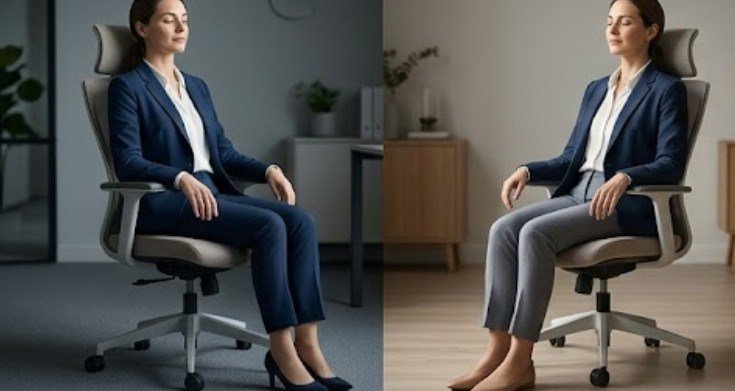
You do not need a special cushion or perfectly silent room. A bedroom, home office, or quiet corner can work as long as you are physically safe and unlikely to be interrupted.
Minutes 0–2: Settle the Body
Sit with your feet supported or lie down comfortably. Close your eyes if that feels natural. Notice your jaw, shoulders, and abdomen.
Rather than demanding that every muscle relax immediately, simply reduce the effort you are using to hold tension. Even a small release gives your attention somewhere concrete to begin.
Minutes 2–4: Slow the Breathing
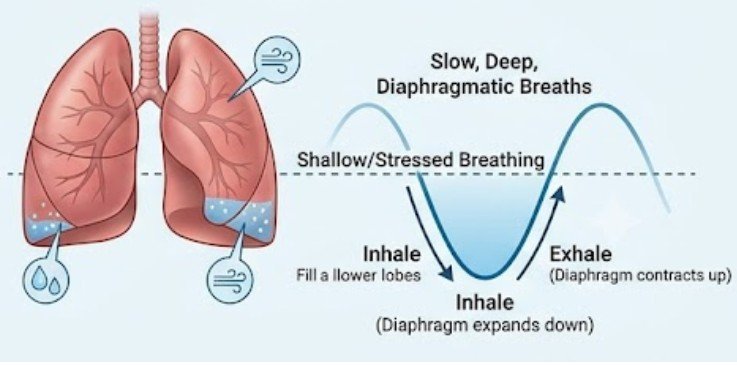
Breathe gently through your nose and allow the exhale to become slightly longer without straining. The goal is not to take the largest breath possible. Aim for breathing that feels quieter and steadier.
Stanford Lifestyle Medicine recommends a breath-counting mindfulness exercise that repeatedly brings attention back to breathing. Counting can be especially useful for restless beginners because it gives the mind a simple task rather than asking it to become blank.
Minutes 4–7: Scan for Hidden Tension

Move attention slowly from your forehead to your face, neck, shoulders, chest, hands, stomach, hips, legs, and feet. At each point, ask yourself, “Am I adding tension here?”
If the answer is yes, soften slightly. Trying to make your whole body instantly limp can become another form of effort, so think in terms of releasing 10% rather than achieving perfect relaxation.
Minutes 7–9: Let Thoughts Pass
Your mind will wander. That is not a failed meditation. When you notice yourself thinking about tomorrow’s meeting, groceries, bills, messages, or unfinished work, identify it briefly—“planning,” “remembering,” or “worrying”—and return to your breathing.
UCLA Health’s mindfulness guidance uses a similar approach: notice physical tension, pay attention to natural breathing, and gently redirect attention whenever the mind wanders.
Minutes 9–10: Re-enter Slowly
Notice the temperature of the room, sounds around you, and the surfaces supporting your body. Open your eyes and decide what you are going to do next.
That final minute matters. It connects relaxed awareness to ordinary life instead of making meditation feel like an isolated escape from it.
The Best Meditation Time Is the One You Can Repeat
Morning practice can provide a buffer before email, commuting, school drop-offs, or household demands accelerate. Evening practice may help mark the transition from unfinished tasks and screens toward rest.
There is no universally superior hour. Consistency becomes easier when meditation follows something that already happens every day, such as brushing your teeth, finishing lunch, closing your laptop, or preparing for bed.
If you prefer a more structured form of guided relaxation, learning how Yoga Nidra differs from traditional meditation can help you decide whether a body-focused practice feels more natural than breath-focused sitting.
What Daily Meditation Can—and Cannot—Promise
Research around mindfulness and meditation is encouraging, but it is not uniform.
NCCIH reports that mindfulness-based approaches may help with stress, anxiety, depression, and sleep, while also emphasizing that study quality varies and results for some health outcomes remain mixed.
The American Heart Association similarly says meditation and mindfulness may support stress management, sleep, and general well-being. It also cautions that meditation should not replace prescribed treatment, exercise, healthy eating, or other care recommended by a healthcare team.
Meditation is not automatically relaxing for everyone, either. NCCIH cites a 2020 review of 83 studies involving 6,703 participants in which about 8% experienced a negative effect associated with meditation, with anxiety and depression among the most commonly reported.
If meditation repeatedly increases distress rather than settling it, do not force longer sessions. Consider stopping and discussing the reaction with an appropriate healthcare or mental-health professional.
Troubleshooting Common Meditation Problems
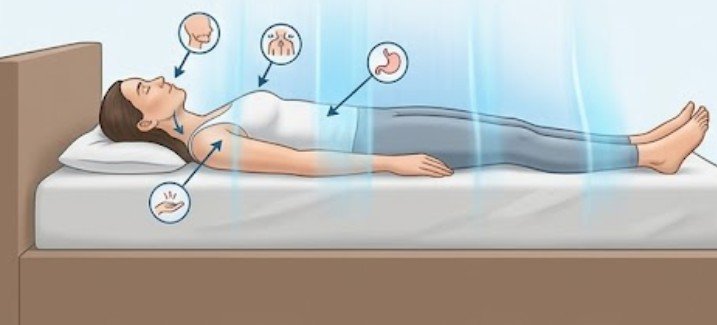
If you repeatedly fall asleep, practice sitting instead of lying down or move your session earlier in the day. If thoughts seem relentless, use breath counting or a guided recording rather than expecting yourself to sit silently.
If five minutes feels impossible, begin with two. A short practice you actually complete provides a better foundation than a 30-minute routine you continuously postpone.
If deliberate slow breathing makes you dizzy or uncomfortable, return to your normal breathing rhythm. Relaxation meditation does not require extreme breaths, prolonged breath-holding, or physical strain.
Beginners who prefer instruction can explore UCLA Mindful’s free guided meditations, which include short breathing practices, body scans, and longer meditation recordings.
Frequently Asked Questions
1. Is five minutes of deep relaxation meditation enough?
Yes. Five minutes still gives you time to practice steady breathing, body awareness, and attention. A shorter routine may also be easier to repeat consistently.
2. Should I meditate in the morning or at night?
Either can work. Choose whichever time is easiest to repeat. Morning practice may prepare you for daily demands, while evening meditation can create a transition toward rest.
3. What if I cannot stop thinking during meditation?
You do not need to stop thoughts. Notice that your attention wandered, identify the thought briefly if helpful, and gently return to your breath, body sensations, or another anchor.
4. Can relaxation meditation replace treatment for anxiety or insomnia?
No. Meditation can complement appropriate care, but it should not replace medical or mental-health treatment recommended by a qualified professional.
Make Relaxation Ordinary
The strongest version of deep relaxation meditation everyday is not the longest or most impressive session. It is the one you can return to without negotiation. Ten minutes after waking, five minutes after work, or a short body scan before bed can each create a deliberate transition away from constant activation.
Start with one dependable cue and one simple focus. Keep the practice short enough that a difficult day does not automatically cancel it. Relaxation becomes far more useful when it stops being a special event and becomes a familiar skill you know how to access.