
When I first looked at singing bowls, the choices felt more complicated than playing one. Some were described by size, others by musical note, material, or spiritual association. Yet I could not tell from a photograph whether I would enjoy hearing the bowl every day.
My approach to how to choose a singing bowl for beginners starts with a simpler question: What kind of sound and practice do I actually want? From there, I can judge the bowl’s size, playability, condition, and price without getting distracted by elaborate claims.
Decide What You Want the Bowl to Do
A bowl for a few quiet minutes at home has different practical demands from one used to open a group yoga class. For personal meditation, you may value a gentle tone and a bowl that is easy to hold. For group sessions, you may want a sound that carries across a room. If you plan to travel with it, weight and durability matter too.
You do not need to buy a matching set to begin. One bowl gives you enough to practise striking it, circling its rim, and listening as the sound fades. Starting with one also helps you learn which qualities you would want in another.
Compare Metal and Crystal Bowls
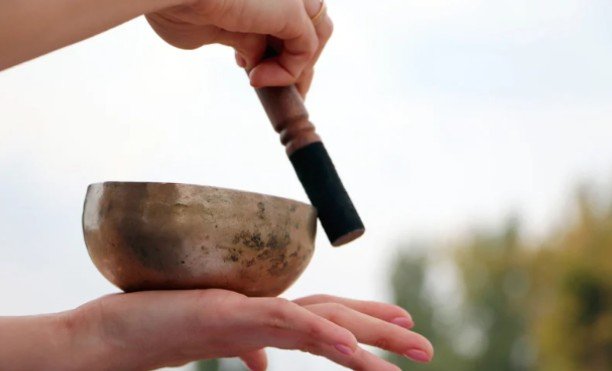
Metal bowls are a practical starting point for many beginners. They come in a wide range of sizes, are generally easier to carry than large crystal bowls, and offer complex tones with audible overtones. They can still be damaged, so examine the rim and body carefully. If you also charge crystals in moonlight as part of your personal ritual, keep them separate from the bowl’s rim to avoid scratches.
Crystal bowls produce a different sound that some listeners prefer for spacious, sustained sessions. They are commonly larger, need a stable place to play, and require more careful handling. Neither material is automatically the better choice. Listen to both if possible, then consider where you will store and use the bowl.
Manufacturing descriptions also deserve a careful look. A seller may describe a bowl as hand-hammered, cast, or machine-made. Those details tell you something about its construction, but they cannot replace hearing the individual instrument. Do not assume that a decorative finish or a story about its metal content guarantees a sound you will like.
Choose a Size That Fits Your Practice
As a general pattern, smaller bowls tend to sound higher and are easier to carry. Larger bowls often produce deeper tones and take up more space. If you plan to use singing bowls for meditation, listen to the specific bowl before choosing it: diameter is a starting point, not a promise of how it will sound.
If you want to hold the bowl in your palm, check its listed weight as well as its diameter. If you will place it on a cushion, make sure you have a stable surface and room to move the mallet around the rim. A medium-sized metal bowl can be a versatile first option, provided it feels comfortable and makes a sound you genuinely enjoy.
Listen Beyond the First Strike
A short, dramatic tap can make almost any bowl sound appealing. The more useful test is to listen from the initial strike until the sound disappears. Is the tone pleasant at ordinary volume? Can you hear its changing layers? Does it fade smoothly, or do you notice a distracting rattle?
Next, try playing around the rim. A beginner may need practice to make a bowl sing consistently, so one unsuccessful attempt does not prove the bowl is faulty. Still, the bowl and mallet should feel manageable together. If you are comparing bowls in person, use a similar striking force for each one and listen from the same position.
When shopping online, look for a recording of the actual bowl being sold, especially if each item is individually made. Recorded sound depends on microphones, rooms, and playback devices, so use samples to narrow your choices rather than to judge the exact volume or tone you will hear at home.
Check the Mallet, Cushion, and Bowl Condition

A bowl is only part of the purchase. Ask whether the listed price includes a mallet and cushion. Mallets vary in size and surface, and a different one can change both the sound and how easily you play. A cushion can help keep the bowl steady without restricting your movement around its rim.
Look closely at photographs of the lip, sides, and base. If buying in person, inspect the bowl for cracks, sharp edges, or loose pieces. Stretch marks may simply reflect how a bowl was made or used, but a damaged rim deserves particular attention because that is where you may play it.
Read the Listing Before You Pay
A useful listing should state the bowl’s material, diameter, weight, what is included, and its condition. It should also make the return terms easy to find. These details are especially valuable when you cannot hear or handle the instrument first.
Be cautious when a listing relies mainly on promises about a particular frequency, chakra, or health outcome. You can choose a note for musical or personal reasons, but no label can tell you whether the bowl will feel comfortable to use. If the seller claims a specific tuning, ask how it was measured and whether the recording is of the bowl you will receive.
Frequently Asked Questions
1. How to choose a singing bowl for beginners when buying online?
Choose your intended use first, then compare material, dimensions, weight, and recordings. Confirm whether a mallet and cushion are included, inspect all available photos, and read the return policy before ordering.
2. Is a bigger singing bowl better for meditation?
Not necessarily. A bigger bowl may offer a deeper sound, but it also needs more room and may be harder to move. A comfortable bowl with a tone you like is a better starting point than size alone.
3. Do I need a bowl tuned to a specific chakra?
No. You can use one bowl as a sound cue for many kinds of meditation. Choose a specific note if it matters to your musical preferences or personal practice, rather than assuming a label is required.
A First Bowl You Will Want to Use
I would choose my first bowl by listening carefully, imagining where I would play it, and checking that I could handle it with ease. I would also make sure the listing answered ordinary questions about its size, condition, accessories, and returns. The right first bowl does not need to be the rarest or most elaborate. It needs a sound that invites me to pause and listen again.