
The day can be over long before my mind agrees with it. I might be sitting at home with nothing urgent left to do, yet my thoughts are still moving through deadlines, messages, errands, and everything waiting for tomorrow. That lingering momentum is exactly why rest can feel so difficult after a packed schedule.
I have found that how to slow down after a busy day is not really about forcing myself to relax. It is about creating enough distance from the noise of the day that my body and mind can naturally shift into a calmer pace. Small changes such as putting work away, lowering stimulation, releasing physical tension, and choosing quieter activities make that transition feel much easier.
Why Is It So Hard to Switch Off After a Busy Day?
A demanding day can leave the mind in problem-solving mode long after the final task ends. Work messages, meetings, commuting, household responsibilities, and constant notifications can make that transition particularly difficult.
For remote and hybrid workers across the US, the boundary can become even less obvious. When the dining table doubles as an office, or the laptop remains within reach all evening, work can easily spill into personal time. This can also make social exhaustion recovery harder when the day has involved constant meetings, messages, and interpersonal demands.
I therefore treat slowing down as a transition rather than an instant switch. Giving myself a recognizable end-of-day ritual makes it easier to stop carrying work into the rest of my evening.
How Can I Create a Clear Boundary Between Work and Rest?
I start by physically ending the working day.
If I am working from home, I close my laptop, clear my desk, and put work materials somewhere I cannot constantly see them. When possible, I leave the room altogether. I also change out of my work clothes and into something comfortable.
These actions may seem minor, but they create a clear contrast between obligation and downtime.
For people who commute, the journey home already provides some separation. Remote workers can recreate that effect with a short neighborhood walk, a shower, or ten quiet minutes outside before moving into evening activities.
The key is repetition. When the same small ritual happens every evening, it becomes a familiar cue that the demanding part of the day has ended.
How Do I Release Physical Tension After Work?
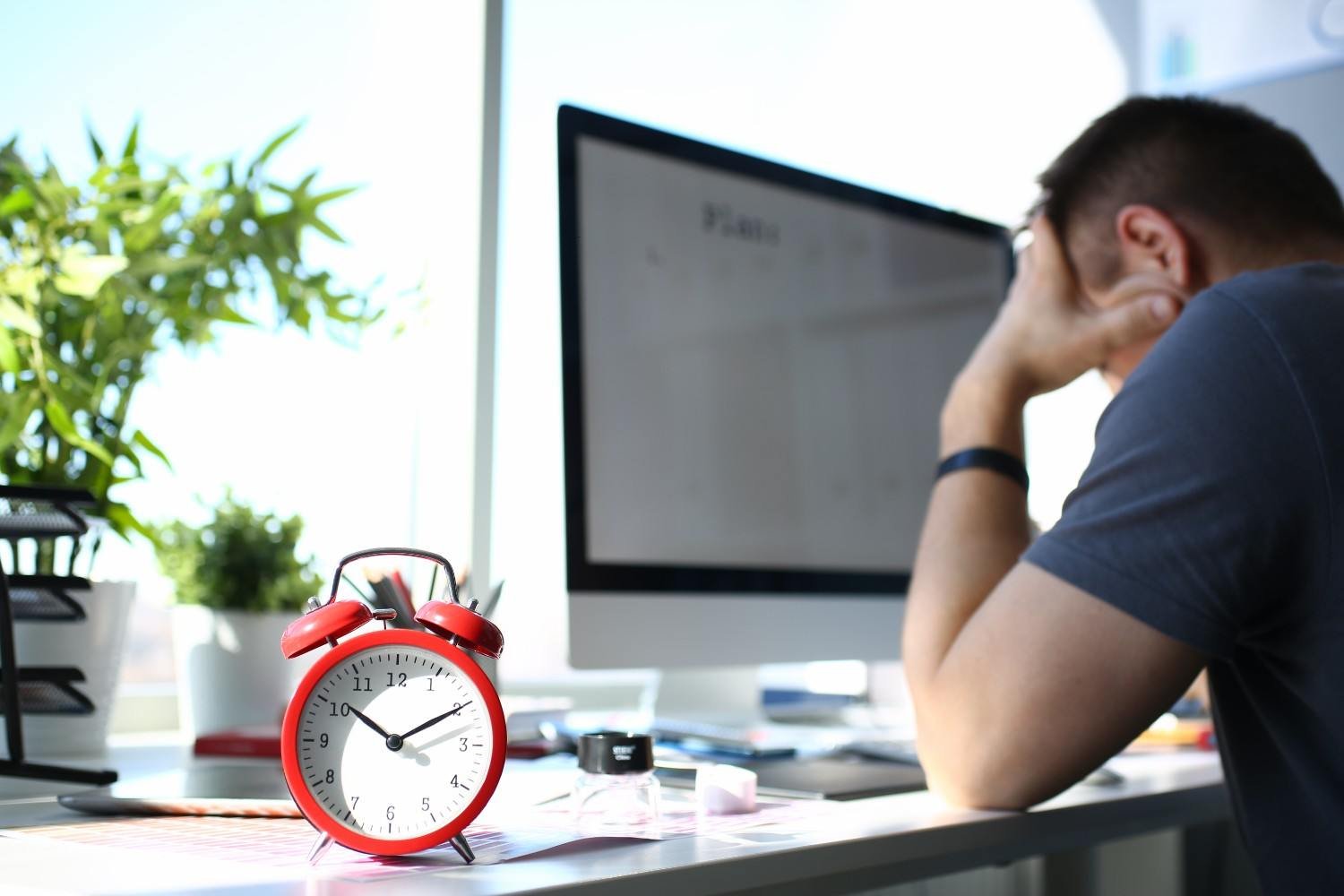
Busy days often show up in my body before I fully notice them.
I may be clenching my jaw, raising my shoulders toward my ears, tightening my hands, or carrying stiffness through my neck and lower back. Before trying to relax mentally, I intentionally release those areas.
I drop my shoulders, loosen my jaw, gently roll my neck, stretch, or walk for several minutes.
Progressive muscle relaxation can also be useful. I gently tense one muscle group for a few seconds, release it, and gradually work through different parts of my body. The contrast between tension and release helps me notice where I have been holding unnecessary tightness.
For desk workers, gentle movement can be especially helpful after spending much of the day sitting.
Can a Warm Shower Help Me Decompress?
A warm shower or bath is one of my favorite transition rituals because it changes both the physical environment and the pace of the evening.
Warm water can feel soothing on tired or tense muscles, while the routine itself creates separation from work. I treat it less like another task and more like a sensory reset.
Some people also find briefly splashing cool water on their face refreshing or grounding. I do not treat either approach as a magic nervous-system hack. The value comes from interrupting the momentum of the day and giving the body a simple signal to slow down.
How Can Breathing Help Me Calm Down After Work?
When I have spent hours rushing from one responsibility to another, my breathing can stay quick and shallow without me noticing.
Slow breathing gives me something simple to focus on.
I might inhale gently through my nose for about four seconds, pause briefly, and then exhale slowly for six to eight seconds. I repeat the pattern comfortably rather than trying to hit exact numbers.
The longer, slower exhale encourages me to stop rushing. More importantly, it creates a few minutes in which I am not answering messages, making decisions, or processing new information.
Why Should I Do a Five-Minute Brain Dump?
Sometimes my body is ready to rest, but my brain keeps reminding me about everything I have not finished.
Instead of trying to mentally hold those thoughts overnight, I write them down.
I spend about five minutes noting unfinished tasks, worries, reminders, ideas, and anything I need to remember tomorrow. I do not organize the page or turn it into an elaborate productivity system.
The goal is simply to move those open mental tabs somewhere reliable.
This strategy is particularly useful when I catch myself thinking, “Don’t forget this tomorrow,” for the tenth time.
Why Doesn’t Scrolling Feel Like Real Rest?

Phones make it easy to replace work stimulation with entertainment stimulation.
I may stop reading work emails only to immediately start watching short videos, checking news, answering texts, and scrolling through social media. Physically, I am resting. Mentally, I am still consuming a continuous stream of new information.
When I want to practice how to slow down after a busy day, I try to protect at least part of my evening from unnecessary digital input.
That does not mean I eliminate television or my phone. Instead, I create intentional screen-free periods and choose activities that generate less stimulation.
Reading, listening to music, cooking slowly, stretching, journaling, sitting outside, taking a bath, or working on a simple hobby can all create a calmer rhythm.
What Kind of Rest Do I Actually Need Tonight?
One mistake I used to make was assuming every exhausting day required the same solution.
It does not.
What Helps After a Mentally Exhausting Day?
If I have spent hours solving problems, writing, making decisions, or sitting through meetings, I avoid activities that require even more choices. Familiar meals, easy reading, music, walking, or quiet time usually feel better.
What Helps After Sitting All Day?
A sedentary day often makes me crave movement more than complete stillness. Walking, gentle yoga, mobility work, or stretching can help me transition before settling down.
What Helps After a Socially Draining Day?
After hours of conversations, calls, customers, coworkers, or meetings, I may need solitude. A quiet dinner, solo walk, reading session, or screen-free break can provide a better reset than immediately adding another social commitment.
What Helps After a Physically Demanding Day?
If I have already been active all day, I do not force myself through an elaborate workout. Hydration, food, comfortable clothes, gentle stretching, a warm shower, and an earlier bedtime may be much more appropriate.
How Can I Build an Evening Routine I Will Actually Follow?

The best evening wind-down routine is not the most impressive one. It is the one I can still follow when I am genuinely tired.
I keep mine simple: clearly finish work, change my environment, release physical tension, slow my breathing, write down lingering thoughts, and reduce unnecessary stimulation.
Some nights I do all of those things. Other nights I only manage two or three.
I do not want relaxation to become another performance goal.
Frequently Asked Questions (FAQs)
1. Why am I tired but still unable to relax?
Physical exhaustion does not automatically mean your mind has stopped processing the day. Work concerns, unfinished tasks, notifications, stress, and constant digital stimulation can keep you mentally engaged even when your body feels tired.
2. How quickly can I calm down after work?
There is no universal timeline. A short transition of 10 to 30 minutes may help some people feel calmer, while particularly demanding days can require longer. Consistency matters more than rushing yourself into relaxation.
3. What can I do instead of scrolling after work?
Try an activity with less incoming information, such as walking, stretching, reading, cooking, journaling, listening to music, showering, or sitting outdoors.
4. How can remote workers mentally leave work?
Close and store work equipment, silence nonessential work notifications, leave the workspace, change clothes, and create a short “commute replacement” such as a walk around the block.
5. What is the easiest way to slow down at night?
For me, the easiest approach is to reduce input rather than add another complicated routine. When I think about how to slow down after a busy day, I focus on creating distance from work, relaxing my body, clearing unfinished thoughts, and choosing whatever type of rest matches the day I actually had.
Conclusion
I no longer expect myself to move directly from a high-pressure day into instant calm. That expectation usually makes relaxation feel like another task I am failing to complete.
Instead, I create a bridge between activity and rest. I close the workday physically, release tension, slow my breathing, clear mental clutter, reduce digital stimulation, and pay attention to what kind of recovery I actually need.
The goal is not to create a perfect evening. It is to make the final hours of the day feel different from the hours that demanded my attention.