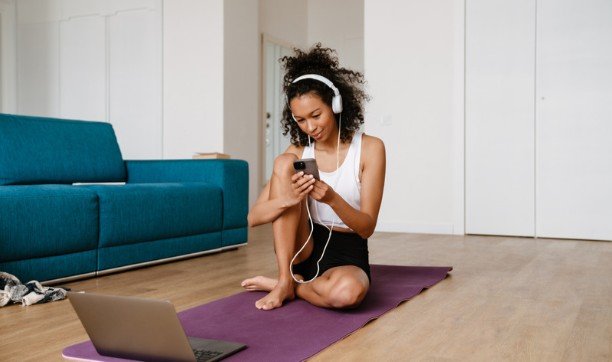
When I settle into a supported pose, the smallest sounds can feel surprisingly prominent. A soft piece of music may help me stop listening for activity outside the room, while a sudden change in volume can pull me straight out of rest. That is why I think how to use music during restorative yoga begins with a question: does this sound make it easier to settle?
Restorative yoga gives the body time to rest in comfortable, supported positions. Music can shape the atmosphere, but it does not need to fill every minute. The aim is to choose sound deliberately, keep it unobtrusive, and leave room for silence.
Decide Whether Music Helps Today
Before building a playlist, notice the space. If it is already quiet, practicing without music may help you pay closer attention to your breath and physical sensations. If passing traffic, conversations, or household activity repeatedly catch your attention, a steady background sound may make those interruptions less noticeable.
Try a few minutes with music and a few minutes in silence. You can treat this as one of your mindful listening exercises: notice whether the music helps you rest or gives you something else to follow. There is no requirement to play it simply because a restorative session is underway.
In a class, preferences will vary. A sound that one person finds soothing may distract another. Keeping the music subtle gives participants more room to experience the practice in their own way.
Choose Sounds That Leave Space for Rest
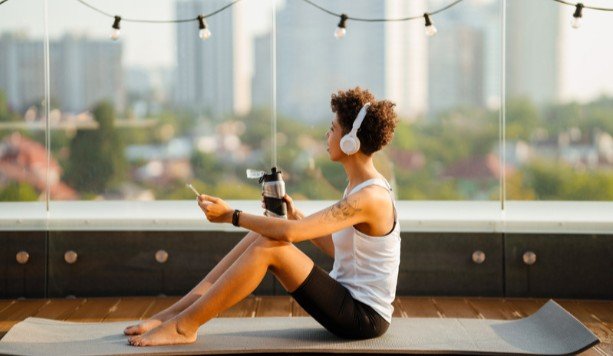
Gentle instrumental tracks are a useful starting point. Ambient music, soft piano, sustained tones, and quiet nature recordings can provide a consistent backdrop without asking you to follow a story. Listen through each selection first: a track labeled “relaxing” can still contain dramatic swells, sharp chimes, or a strong beat.
Lyrics deserve particular care. Familiar words may prompt memories or invite you to listen for the next line. They are not automatically unsuitable, especially in a personal practice, but notice what they do to your attention. If you begin concentrating on the song rather than the pose, try an instrumental alternative.
You can also choose sound based on the room. A recording of gentle rain might soften intermittent background noise, while a nearly silent room may need nothing added. Avoid choosing music solely by genre or by a promised effect; listen to how it actually feels during a long, still pose.
Be Careful With Sudden Sounds
Singing bowls, bells, and other resonant sounds can be striking when someone is deeply relaxed. If you teach, tell participants before class if you plan to use them. Introduce any sound gently rather than making it an unexpected signal to leave a pose.
Set a Volume You Can Almost Forget
Start quieter than you think necessary, then settle into a pose and listen. The music should be audible without becoming the main event. If you are teaching, check that your voice remains easy to hear without raising it.
Consider changes between tracks, too. A playlist can sound even while you assemble it, yet one song may play much louder than the next. Preview transitions with the device and speaker you will use. Place the speaker where sound spreads comfortably through the room instead of concentrating beside one person.
During a home session, move your phone out of reach after pressing play. Silence notifications and prevent ads or autoplay from introducing an unexpected voice. These small preparations can spare you from getting up midway through a restful hold.
Match the Music to the Session
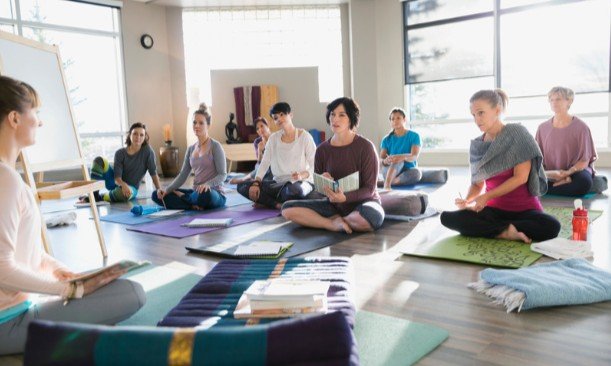
A restorative playlist needs a gentler progression than a movement-focused class. During arrival, a quiet track can help mark the transition from daily activity to practice. Once you are comfortably supported, maintain a steady sound level rather than building toward a musical peak.
For longer holds, choose tracks that continue smoothly. Frequent endings, applause, or noticeable pauses may make you wonder whether it is time to move. You do not need one song per pose; let the music support your timing without dictating it.
As the final rest approaches, consider lowering the volume or allowing the current track to finish. Silence can give you space to notice how you feel. If you prefer music throughout, select something long enough to avoid an abrupt cutoff before you are ready to sit up.
For a simple home practice, try a few quiet minutes to settle in, a consistent instrumental background during your supported poses, and a final period with softer sound or silence. Adjust that pattern after you have experienced it rather than trying to create a perfect playlist in advance.
Common Mistakes to Avoid
The first is making the music too prominent. Even a beautiful piece can compete with rest if its melody, volume, or rhythm demands attention.
The second is relying on an untested playlist. Shuffle may produce a jarring transition, and an automatic recommendation can change the mood entirely. Play your selections in order before using them for a full session.
The third is treating music as necessary. If a track irritates you or makes it harder to notice your breath, turn it off. A quiet practice is still a complete practice.
Frequently Asked Questions
1. What is the best way to begin using music?
If you are learning how to use music during restorative yoga, start with one quiet instrumental track during a short, supported pose. Notice whether you feel more settled or more attentive to the sound, then adjust from there.
2. Should music play during the final rest?
It can, but it does not have to. Choose a continuous, gentle track if you enjoy a sound backdrop. Try silence if you would rather rest without another point of focus.
3. Can I use nature sounds instead of music?
Yes. Choose a recording with a consistent sound level and preview it for sudden bird calls, thunder, or other details that might interrupt your rest.
A Gentler Way to Finish
I find that the best soundtrack is the one I can stop thinking about. Some days, that means a soft instrumental piece; on others, I want the room to be quiet. I prepare the sound before I begin, keep it low, and let my experience guide the choice next time. Music works well here when it supports rest without asking for attention.