
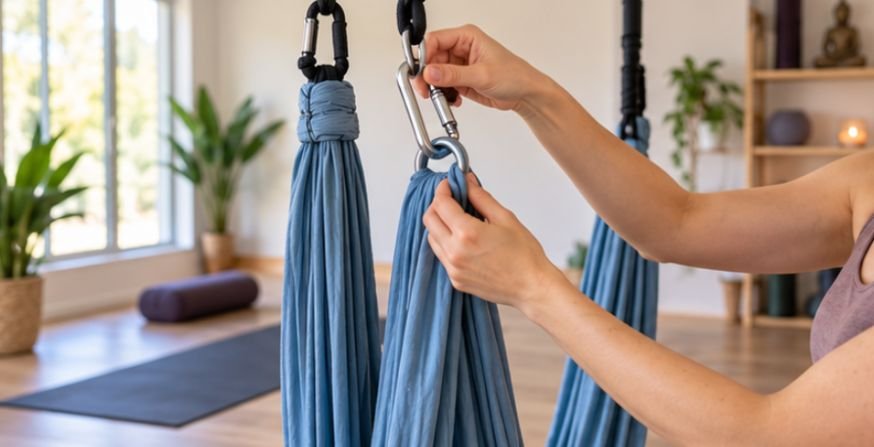
The biggest cleaning mistake with an aerial hammock usually happens before the washing machine even starts: leaving hardware attached or treating the fabric like ordinary workout clothing.
Learning how to clean an aerial yoga silk hammock at home is mainly about reducing unnecessary stress on a fabric that supports your body weight. Most modern aerial “silks” are actually strong synthetic materials such as nylon tricot rather than traditional silk, and excessive heat, aggressive agitation, harsh chemicals, or damaged fibers can shorten their usable life.
The safest routine is simple: identify the manufacturer’s instructions, remove the hardware, inspect the fabric, wash it gently in cool or cold water, and dry it completely before rigging it again.
First, Check What Your Hammock Is Made From
Do not assume the word “silk” describes the fiber content.
Many aerial yoga hammocks and aerial fabrics are made from nylon or another synthetic textile because these materials provide the stretch, strength, and handling characteristics aerial practice requires. The University of Georgia Extension notes that nylon is durable and abrasion resistant but can be affected by excessive heat and strong sunlight.
Before washing, check the label, original packaging, retailer page, or manufacturer instructions. Those directions take priority over general cleaning advice.
This matters because manufacturers do not always agree on drying. Firetoys and Aerial Fabric recommend line or air drying their aerial fabrics, while some other manufacturers permit limited low-temperature tumble drying.
If you cannot verify your hammock’s instructions, air drying indoors is the more conservative option.
The Pre-Wash Inspection Matters More Than It Looks
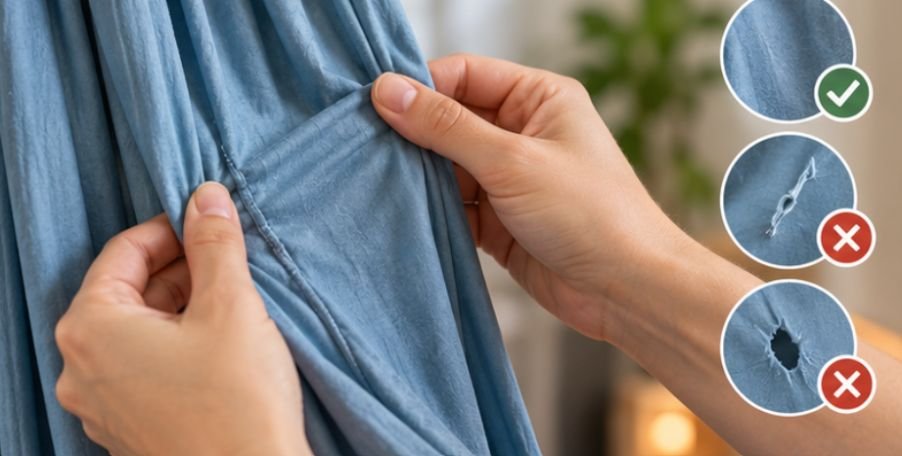
Cleaning day is also an ideal inspection day. Spread the hammock across a clean floor or large surface and slowly run the fabric through your hands. Look for holes, unusual thinning, puckered areas, burned-looking spots, pulled threads, heavy snags, or damage around attachment points.
If a defect looks structural rather than cosmetic, stop using the hammock until the manufacturer or a qualified aerial equipment professional assesses it.
Understanding the differences between aerial yoga vs regular yoga can also help practitioners recognize how the hammock changes support, balance, and the way equipment is used during practice.
Remove every piece of hardware
Take off carabiners, O-rings, figure-8 devices, daisy chains, straps, swivels, and other removable rigging components unless the manufacturer specifically says otherwise.
Metal hardware can strike the washer drum, catch the fabric, or damage both the machine and the hammock. Aerial equipment suppliers consistently recommend removing hardware before machine washing.
Undo knots where appropriate
If your hammock design allows the knots to be safely untied and later reconstructed correctly, loosen them before washing. Tight knots can trap sweat, detergent, and debris. They can also tighten further during washing.
However, do not dismantle a sewn, permanently assembled, or manufacturer-specific attachment system simply because generic advice recommends untying knots. Photograph your setup beforehand if you need a reference for reassembly.
How to Clean an Aerial Yoga Silk Hammock at Home Step by Step
Here is the low-stress cleaning method I would use for a typical washable synthetic aerial hammock whose manufacturer permits machine washing.
| Step | Recommended approach | Why it matters |
| Prepare | Remove hardware and inspect fabric | Prevents snagging and reveals damage |
| Load | Wash one hammock alone | Gives long fabric room to move |
| Water | Cold or manufacturer-approved cool water | Reduces unnecessary heat stress |
| Cycle | Delicate or gentle, preferably low spin | Limits friction and twisting |
| Detergent | Small amount of mild liquid detergent | Helps remove sweat without excessive residue |
| Dry | Air dry indoors unless maker says otherwise | Avoids unnecessary heat exposure |
1. Wash the hammock by itself
Long fabric can twist around clothing, towels, or other laundry.
Aerial Fabric recommends washing one piece at a time and avoiding a traditional top-loading washer with a central agitator because the fabric may snag. A large mesh laundry bag can provide extra protection where appropriate.
A front loader or an agitator-free top loader is generally preferable.
2. Choose a gentle cycle
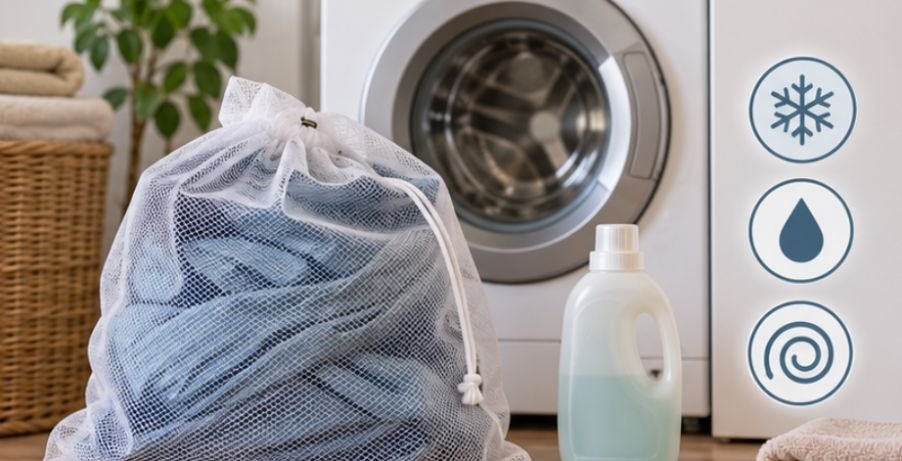
Select the delicate, gentle, or hand-wash setting using cold water unless your manufacturer specifies something else.
There is a broader textile-care reason for minimizing agitation. The American Cleaning Institute explains that cold water and gentler cycles can reduce stress and friction on synthetic textiles.
For aerial fabric, reducing unnecessary friction also means reducing opportunities for twisting, snagging, and surface wear.
3. Use mild detergent sparingly
More detergent does not mean a cleaner hammock.
Use a small amount of mild liquid laundry detergent. Avoid automatically adding scent boosters, dryer products, disinfectants, stain removers, or laundry additives unless the hammock manufacturer specifically approves them.
Aerial Fabric advises against bleach, fabric softener, vinegar, hydrogen peroxide, and rubbing alcohol on its silks. This is another reason not to improvise chemical treatments for stubborn stains.
Why Bleach and Strong Cleaning Chemicals Are a Bad Gamble
People sometimes assume that sweaty exercise equipment needs to be disinfected aggressively. Aerial fabric is different because preserving material integrity matters as much as appearance.
The University of Georgia’s textile-care resources note that bleach suitability depends heavily on fiber, finish, and care instructions. Understand your fabrics better as some nylon fabrics may discolor with chlorine bleach.
For that reason, never treat an unknown aerial fabric with chlorine bleach simply because it smells stale or has a visible stain. If ordinary washing does not solve a stain or odor problem, contact the manufacturer before escalating to stronger chemicals.
Drying Is Part of the Safety Process
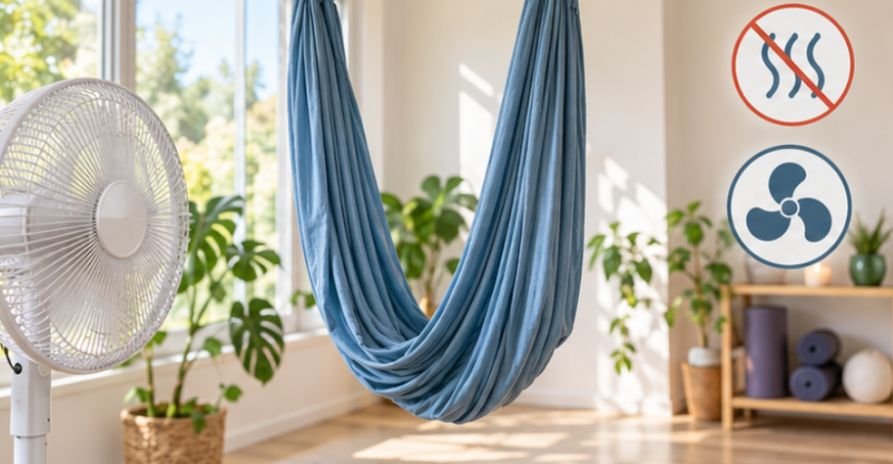
After washing, gently remove the hammock without dragging it across a dirty floor. Untangle the fabric and hang it indoors where air can circulate freely. A household fan can speed evaporation without exposing the material to high temperatures.
Do not rig and use the hammock while it is damp. The U.S. Environmental Protection Agency emphasizes that moisture control and prompt drying are important for preventing mold growth in wet materials. Read more about mold, moisture and your home.
Keep prolonged sunlight exposure to a minimum
A sunny clothesline may appear ideal, but strong light can damage textiles over time. The National Park Service notes that ultraviolet radiation contributes to fading and fiber deterioration in textiles.
The Smithsonian also recommends limiting light exposure when preserving textiles because light-related damage accumulates. Smithsonian: Textile Storage and Light Exposure
For an aerial hammock, an indoor drying rack, clean rail, or appropriate hanging point away from strong direct sunlight is preferable.
How Often Should You Wash an Aerial Hammock?
There is no universal schedule. Frequency depends on how often you practice, how much you sweat, whether multiple people use the fabric, how it is stored, and the manufacturer’s recommendation.
Your overall aerial-yoga routine also includes preparation before class, and knowing what to eat before aerial yoga can help you manage energy and comfort during practice.
Washing after every short home session may create unnecessary wear. A better approach is to wash when the hammock develops noticeable body-oil buildup, odor, grime, or contamination, while keeping yourself, clothing, and storage area clean between sessions.
Avoid jewelry, exposed zippers, sharp nails, Velcro, and rough clothing whenever you practice.
If you are new to aerial practice, starting with aerial yoga poses for beginners can also help you become familiar with the hammock and learn how to move around the fabric safely.
Preventing damage is much easier than trying to clean or repair it later.
Frequently Asked Questions
1. Can I put an aerial yoga hammock in the washing machine?
Usually, if the manufacturer allows it. Remove hardware, wash the hammock alone, and use a gentle cycle. Avoid washers with aggressive center agitators that may catch long fabric.
2. Can I tumble dry aerial silk?
Only if your specific manufacturer permits it. Several aerial suppliers recommend air drying because heat can damage synthetic fibers. Indoor air drying is the safer default when instructions are unavailable.
3. Can I use fabric softener on an aerial hammock?
Generally, no. Several aerial fabric manufacturers specifically advise against fabric softener. Use only cleaning products approved for your particular hammock.
4. How do I know when an aerial hammock is too damaged to use?
Stop using it if you find significant holes, unusual thinning, melted or puckered areas, damaged attachment points, or unexplained structural changes. Ask the manufacturer or an aerial equipment specialist to assess it.
The Takeaway
Once you understand how to clean an aerial yoga silk hammock at home, the process becomes less about aggressive cleaning and more about protecting the fabric from unnecessary stress. Remove the hardware, inspect every section, wash gently, keep harsh chemicals away, and allow the hammock to dry completely before it carries weight again.
Most importantly, keep the manufacturer’s instructions with the hammock rather than relying on memory. A fabric that looks clean is not automatically a fabric that is safe. Good aerial equipment care combines cleanliness with inspection, conservative washing, careful storage, and knowing when questionable equipment should stay off the rig.



One thought on “How to Clean an Aerial Yoga Silk Hammock at Home Safely”