

I used to think the deepest part of Yoga Nidra began only after the body became still. In practice, I discovered that the opposite is true: noticing the body is what opens the door to deeper rest. Instead of asking you to silence your thoughts, Yoga Nidra gives your attention somewhere specific to go—through the hands, face, chest, legs, breath, and other physical sensations.
So, why is body awareness important during Yoga Nidra? Because this systematic inward focus helps reduce mental distraction, uncover unnoticed tension, strengthen interoceptive awareness, and keep the mind gently present while the body settles into profound relaxation. For anyone accustomed to packed schedules, constant screens, and nonstop stimulation, this simple shift from thinking to sensing can completely change the experience of rest.
What Does Body Awareness Mean in Yoga Nidra?
Body awareness usually appears during the rotation of consciousness, or Yoga Nidra body scan. A guide directs attention through different parts of the body, making body scan yoga Nidra a structured way to keep awareness engaged while physical tension begins to soften.
You do not need to move each body part or force a sensation. You simply recognize the area and continue. That sequence gives the wandering mind something neutral and specific to follow while the body remains still.
How Does the Body Scan Quiet the “Monkey Mind”?
Many people lie down physically tired but mentally busy. Yoga Nidra does not ask you to fight those thoughts.
Instead, rotation of consciousness redirects attention from one body area to another. When the mind wanders, you return to the next point. This structured focus can interrupt repetitive thought loops and make rumination less dominant.
I find this more approachable than trying to “empty” my mind. The goal is simply to keep returning.
How Can Body Awareness Help Release Physical Tension?
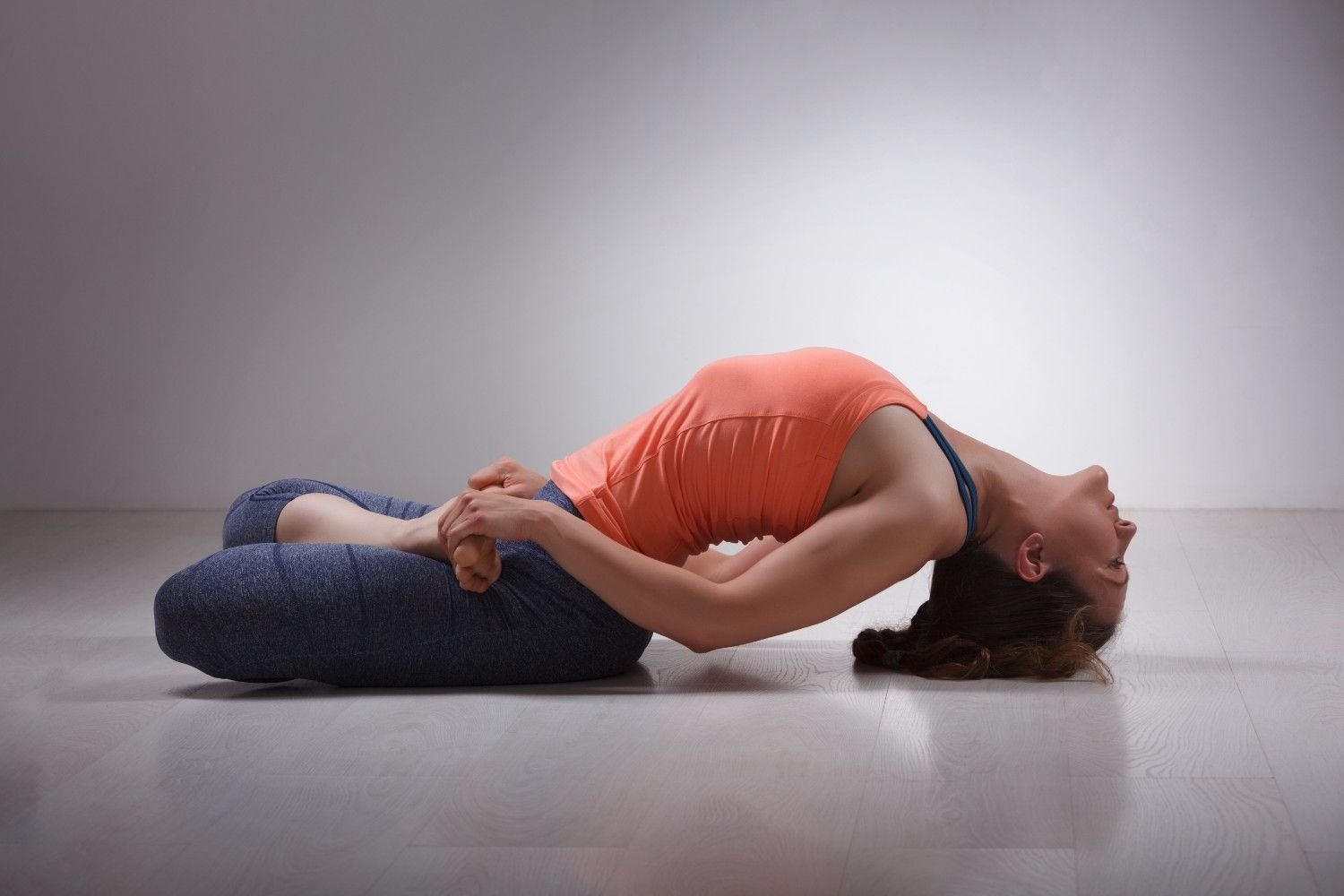
Stress often shows up physically as a clenched jaw, tight chest, raised shoulders, rigid hands, or shallow breathing.
Body awareness makes those patterns easier to notice. When you bring nonjudgmental attention to a tense area, you stop overlooking what the body is holding. Combined with stillness, breathing awareness, and reduced stimulation, that recognition may help unnecessary bracing soften.
Why Does Yoga Nidra Build Interoceptive Awareness?
Interoception is the ability to notice internal signals such as breathing, heartbeat, temperature, pressure, heaviness, and muscle tension. Yoga Nidra repeatedly turns attention toward these experiences.
Over time, somatic awareness may help you recognize stress, fatigue, or emotional strain sooner, which can be practical during a demanding American workweek.
This is another reason why body awareness is important during Yoga Nidra: it can strengthen the connection between what you think you feel and what your body is actually signaling.
Can Body Awareness Change Your Relationship With Pain?
Yoga Nidra can also change how you relate to uncomfortable sensations. Instead of immediately resisting discomfort, you practice observing it with less judgment.
Fear, bracing, and frustration can add another layer to discomfort. Observing sensations without automatically fighting them may reduce some secondary distress.
Yoga Nidra is not a cure for chronic pain, and persistent or unexplained pain deserves medical care. It is better viewed as a supportive mind-body practice.
What Do Pratyahara and Annamaya Kosha Have to Do With It?

Traditional yoga philosophy gives body awareness a deeper role. Yoga Nidra is often associated with pratyahara, or turning the senses inward. Instead of following every sound, screen, conversation, or external demand, attention moves toward the body and breath.
Traditional teachings also describe the physical body as Annamaya Kosha, the most tangible layer of human experience. From this perspective, physical awareness becomes a gateway toward subtler layers involving breath, mind, insight, and deeper awareness.
These are yogic concepts rather than medical claims, but they help explain why traditional Yoga Nidra begins with the body.
Does Yoga Nidra Access the Subconscious or Theta Brain Waves?
Yoga Nidra is often described as occupying a space between ordinary waking and sleep. Some research has explored brain-wave changes during deep relaxation and meditative states, including theta activity.
Claims about “subconscious healing,” however, deserve caution. Theta activity by itself does not prove healing. Deep relaxation and reduced external engagement may instead make imagery, emotions, memories, and subtle sensations more noticeable.
This helps explain why many practices progress from body awareness into breathing, imagery, intention, and quiet observation.
Is Rotation of Consciousness Different From a Regular Body Scan?

The practices overlap, but they are not always identical. A mindfulness body scan may invite you to remain with one area and examine sensations. Rotation of consciousness in Yoga Nidra often moves faster. You recognize each named body part and continue.
If you cannot strongly feel a body part, simply recognize where it is. You do not need to manufacture tingling, warmth, or heaviness. I treat the practice as training attention rather than testing sensitivity.
Frequently Asked Questions (FAQs)
1. Why Does Body Awareness Matter for Yoga Nidra Beginners?
Why is body awareness important during Yoga Nidra for beginners? It gives new practitioners a concrete focus. Instead of trying to empty the mind, they can follow a predictable sequence through the body while settling into conscious rest.
2. Can Yoga Nidra Improve Mind-Body Awareness?
It may. Repeatedly noticing physical sensations, breathing, tension, and internal changes can strengthen awareness of how stress and emotions appear in the body.
3. Does Yoga Nidra Calm the Nervous System?
Yoga Nidra combines stillness, guided attention, breath awareness, and reduced stimulation, which can support relaxation. It should complement, not replace, professional care for significant anxiety, insomnia, chronic pain, or other health concerns.
A More Connected Way to Rest
What changed Yoga Nidra for me was realizing that body awareness is not merely preparation. It gives the mind structure while the body moves toward deep rest.
The body scan can quiet mental chatter, reveal hidden tension, build interoception, support a less reactive relationship with discomfort, and connect modern relaxation with traditional concepts such as pratyahara and Annamaya Kosha.
For Americans living in an always-on culture, that simplicity matters. You do not have to force relaxation or silence every thought; you simply return to the body, one area at a time.



2 thoughts on “Why Is Body Awareness Important During Yoga Nidra? The Missing Link to Deeper Rest”